
7-Day Solo Travel Itinerary for Beginners, with a simple day-by-day plan, beginner travel tips, packing help, and essential solo travel gear included.
7-Day Solo Travel Itinerary for Beginners is one of the easiest ways to plan your first solo trip without feeling overwhelmed. If you are traveling alone for the first time, having a simple structure can help you feel more confident, stay organized, and enjoy the experience without unnecessary stress.
Solo travel can feel exciting, freeing, and slightly intimidating at the same time. You have to think about flights, accommodation, safety, daily plans, transport, packing, and budget. Without a clear plan, even a short trip can quickly start to feel confusing.
That is why this guide is designed to make your first solo trip easier.
In this article, you will get:
- a realistic 7-day solo travel itinerary
- simple beginner-friendly planning tips
- practical packing advice
- solo travel safety guidance
- essential gear recommendations to make your trip smoother
Whether you are planning a short city break, a relaxed beach trip, or a beginner-friendly adventure, this guide will help you build a trip that feels manageable and enjoyable from start to finish.
Why a 7-Day Solo Trip Is Perfect for Beginners
A one-week trip is often the best starting point for new solo travelers. It gives you enough time to settle in, explore properly, and build confidence without feeling trapped in a long or exhausting journey.
A shorter trip can feel rushed, especially if you are still learning how to navigate a destination on your own. A much longer trip can become mentally tiring if you are not used to solo travel yet.
A 7-Day Solo Travel Itinerary for Beginners works well because it gives you the right balance of structure and flexibility.
Benefits of a 7-day solo trip:
- enough time to explore without rushing
- easier to plan and budget
- less stressful for first-time travelers
- enough room for both activity and rest
- ideal for building solo travel confidence
When your first solo trip feels manageable, you are much more likely to enjoy it and want to do it again.
How to Plan Your First Solo Trip Before You Leave
A good trip usually starts with smart preparation. You do not need to over-plan every detail, but a few practical decisions before departure can make your first solo experience much easier.
Choose a Beginner-Friendly Destination
For your first solo trip, it is better to choose a place that feels easy to navigate rather than trying to make the trip overly adventurous.
A beginner-friendly destination usually has:
- good public transportation
- walk-able areas
- tourist-friendly neighborhoods
- reliable internet or mobile access
- enough food and accommodation options nearby
Your first solo trip does not need to be dramatic. It just needs to feel safe, simple, and enjoyable.
Book Safe Accommodation in a Good Area
Where you stay matters more than many beginners realize; a cheaper room far away from everything can cause unnecessary stress, especially if you are returning late or trying to navigate an unfamiliar area.
Look for accommodation that offers:
- strong safety and cleanliness reviews
- central or well-connected location
- easy access to transport
- nearby food and convenience stores
- smooth check-in process
If you want more help before booking, read how to choose safe accommodation when traveling solo.
Keep Your Itinerary Flexible
A lot of first-time travelers make the mistake of planning too much. A good itinerary should guide your trip, not control every hour of it.
Leave room for:
- extra rest
- spontaneous plans
- weather changes
- delayed transport
- quiet solo time
Flexibility makes solo travel feel much more natural and much less stressful.
Divide Your Travel Plans with Someone You Trust
Before leaving, share your basic trip details with someone you trust. That can include:
- your flight or transport details
- accommodation name and address
- your general daily plan
- emergency contact information
You do not need to check in constantly, but having someone aware of your trip adds an extra layer of comfort and safety.
Download Travel Essentials Before Departure
A few travel apps can save you a lot of time and confusion.
Useful things to set up before your trip include:
- offline maps
- airline or train apps
- hotel booking apps
- translation apps
- local ride-share apps
- notes or screenshots of booking confirmations
Doing this before departure helps you avoid last-minute stress after arrival.
7-Day Solo Travel Itinerary for Beginners
This itinerary is designed to be simple and realistic. You can adapt it for almost any beginner-friendly destination.
The goal is not to pack every day with activities. The goal is to help you enjoy the trip while staying comfortable and confident.
Day 1: Arrival and Getting Comfortable
Your first day should be light and easy. That is not the day to rush into sightseeing or overbook your schedule.
After checking into your accommodation, focus on settling in and getting familiar with your surroundings.
Good Day, 1 task includes:
- checking into your room and unpacking the essentials
- finding a nearby café or grocery store
- locating the nearest ATM, pharmacy, or convenience shop
- taking a short walk around the neighborhood
- testing the route back to your accommodation
This day helps reduce first-day anxiety and makes the rest of the trip smoother. If you are tired after travel, permit yourself to rest instead of forcing a full sightseeing day.
Helpful gear for Day 1:
- anti-theft backpack
- portable charger
- phone holder or small travel pouch
Keep your passport, cards, phone, and booking details easy to access but secure.
If safety is one of your main concerns, an anti-theft day bag can make a big difference when moving around on your own.
Day 2: Explore the Main Highlights
Now that you are more settled, this is a great day to visit the most popular attractions in your destination.
Try to keep it balanced. You do not need to see everything in one day.
A smart Day 2 might include:
- one major sightseeing attraction
- one local food stop
- one walkable neighborhood
- one relaxed evening activity
That is also a good day to build confidence using public transportation, local maps, or walking routes.
Smart Day 2 reminders:
- wear comfortable shoes
- carry water
- keep your phone charged
- save important locations offline
Exploring confidently on Day 2 often makes the rest of the trip feel much easier.
Day 3: Enjoy an Adventure or Outdoor Experience
By Day 3, you will usually feel more comfortable and more ready to try something slightly more active.
That can be your light adventure day.
Depending on your destination, this might include:
- a guided walking tour
- a scenic hike
- a cycling route
- kayaking or a water activity
- a nature-based half-day trip
You do not need to do anything extreme. The goal is to add one memorable experience to your itinerary.
Good things to bring for Day 3:
- comfortable walking shoes
- refillable water bottle
- lightweight backpack
- sunscreen or weather protection
- power bank
This kind of day often becomes one of the highlights of a first solo trip.
Day 4: Explore Local Culture and Hidden Gems
Day 4 is a great time to slow down a little and experience the destination in a more personal way.
Instead of focusing only on tourist attractions, use this day to explore areas that feel more local and relaxed.
Ideas for Day 4 include:
- local neighborhoods
- food markets
- cultural museums
- local cafés
- artisan shops or bookstores
That is often the day when solo travel starts to feel less like a checklist and more like a personal experience.
You can also use this day for better photos, journaling, or simply enjoying the place at your own pace.
Useful gear for Day 4:
- compact phone tripod
- lightweight day bag
- camera or smart phone lens accessory
- portable charger
Day 5: Take a Relaxed Solo Travel Day
One of the biggest beginner mistakes is trying to stay busy every single day. Day 5 should be more relaxed, so you can recharge and actually enjoy the trip without burnout.
A relaxed solo travel day might include:
- a slow breakfast
- reading in a café or park
- light shopping
- journaling
- revisiting a favorite area
- enjoying a peaceful solo meal
That is not a wasted day. Rest is part of a good itinerary, especially when you are traveling alone and making all your own decisions.
Nice optional items for Day 5:
- travel journal
- noise-canceling earbuds
- e-reader or book
- lightweight scarf or layer for comfort
A slower day often improves the rest of your trip more than another packed sightseeing schedule would.
Day 6: Revisit Favorites or Explore Freely
By Day 6, you will feel much more confident than you did on Day 1. That is a great day to use that confidence and explore with more freedom.
You can use this day to:
- revisit your favorite place
- explore a neighborhood you skipped earlier
- take better photos
- shop for souvenirs
- spend more time where you genuinely enjoyed yourself
That is often one of the best solo travel days because you are no longer just following a plan – you are moving around based on your own comfort and preferences.
Helpful items for Day 6:
- portable power bank
- packing cubes for organizing shopping or extra clothing
- foldable tote bag
- lightweight water bottle
That is your flexibility day, so let it feel easy.
Day 7: Pack Smart and Travel Home Smoothly
Your final day should be simple and low-stress. The goal is to leave calmly, not rush through the last few hours in panic.
A smooth departure day usually includes:
- checking your departure time early
- packing the night before if possible
- keeping documents and chargers accessible
- leaving enough time for transport
- doing a final room check before leaving
It is also a good time to reflect on what worked well during your trip so you can plan even better next time.
A strong final day helps your first solo trip end on a positive note instead of a stressful one.
Sample Daily Solo Travel Routine for Beginners
A lot of beginners feel less stressed when they have a loose daily rhythm instead of a strict schedule.
A simple solo travel day can look like this:
- Morning: breakfast and your main activity
- Midday: lunch and light sightseeing
- Afternoon: café break, shopping, or rest
- Evening: dinner and a relaxed return to your accommodation
This kind of structure keeps your day organized while still giving you enough freedom to enjoy solo travel naturally.
What to Pack for a 7-Day Solo Trip
Packing for a solo trip should feel simple, not chaotic. You do not need to bring everything. You only need the essentials that help you stay comfortable, connected, and prepared.
Travel Documents and Essentials
Make sure you carry:
- passport or ID
- flight or transport tickets
- hotel confirmations
- debit or credit cards
- a little emergency cash
- travel insurance details if available
It is also smart to keep digital copies of your important documents on your phone or email.
Clothing for a Simple 7-Day Trip
The easiest way to pack is to bring clothes that mix and match well.
Useful clothing basics include:
- comfortable walking shoes
- weather-appropriate tops and bottoms
- one extra layer or light jacket
- sleepwear
- undergarments and socks
- one nicer outfit if needed
Most beginners over-pack. For a one-week trip, simple and practical is usually best.
Tech and Charging Essentials
Your phone becomes one of your most important solo travel tools, so keeping your tech organized matters.
Useful tech items include:
- phone charger
- power bank
- universal travel adapter
- charging cable organizer
- headphones or earbuds
A dead phone can create unnecessary stress when you rely on it for maps, bookings, and transport.
Safety and Comfort Items
A few small items can make solo travel much smoother.
Helpful extras include:
- portable door lock
- luggage lock
- refillable water bottle
- basic medication
- tissues or wipes
- small first-aid essentials
Packing smart can make your first solo trip feel much more comfortable and much more manageable.
Essential Solo Travel Gear for Beginners
You do not need a huge list of travel gadgets for your first trip. A few practical items can make your journey easier, safer, and much more comfortable. These beginner-friendly essentials are useful for navigation, security, organization, and everyday convenience.
1. Portable Power Bank
A portable power bank is one of the most useful travel items you can carry, especially when using your phone for maps, bookings, translation apps, and photos throughout the day. It helps you stay connected without worrying about a low battery during long travel days.
2. Universal Travel Adapter
A universal travel adapter is essential for international trips and helps you charge your phone, camera, earbuds, and other devices without stress. It is one of the easiest travel items to forget, but one of the most important to pack.
3. Portable Door Lock
A portable door lock can add an extra layer of security and peace of mind, especially when staying in hotels, hostels, or vacation rentals. Many first-time solo travelers like carrying one for extra comfort at night.
4. Lightweight Anti-Theft Day Bag
A lightweight anti-theft day bag makes it easier to carry your essentials while exploring and can help keep valuables more secure in crowded places. It is especially useful for passports, cards, phones, and small travel items.
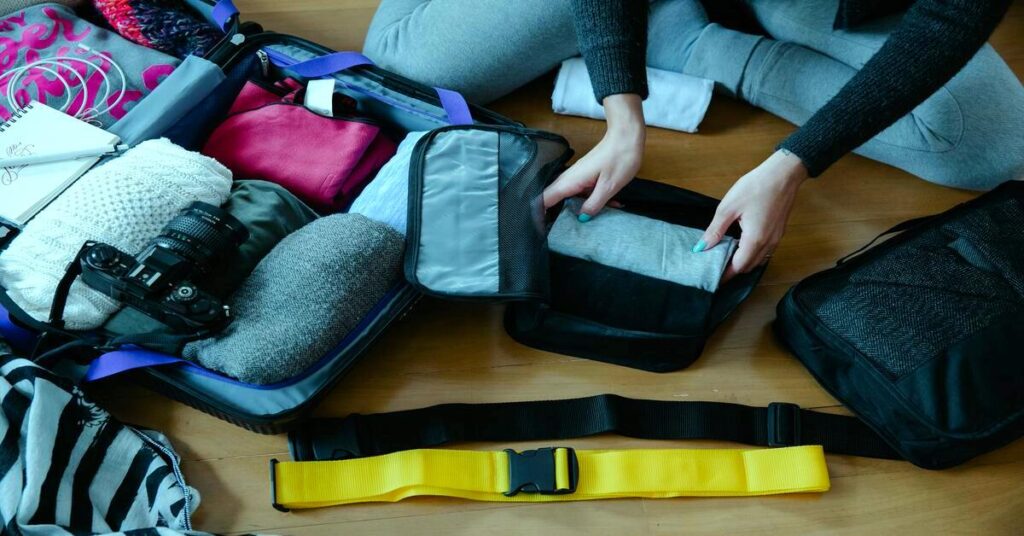
5. Packing Cubes
Packing cubes help keep your luggage organized and make it easier to separate clothes, toiletries, accessories, and laundry during your trip. They are simple, affordable, and surprisingly useful for a 7-day solo trip.
How Much Does a 7-Day Solo Trip Cost?
The cost of a solo trip depends heavily on your destination and travel style, but planning a rough budget makes the trip much easier to manage.
Budget Solo Traveler
A budget traveler may spend less by choosing:
- hostels or budget hotels
- public transportation
- simple meals
- free or low-cost attractions
Mid-Range Solo Traveler
A mid-range traveler may spend more on:
- private accommodation
- restaurant meals
- taxis or ride-share apps
- paid activities or tours
Main Costs to Plan For
Try to estimate these before you leave:
- transportation to your destination
- accommodation
- food and drinks
- local transport
- attractions and activities
- emergency money
- optional travel gear
A simple budget plan can reduce stress and help you avoid overspending early in the trip.
Common Beginner Solo Travel Mistakes to Avoid
A lot of first solo trips become stressful because of small, avoidable mistakes. The good news is that most of them are easy to fix.
Over-packing for a Short Trip
Bringing too much luggage can make your trip harder, especially when moving between transport, accommodation, and attractions.
Planning Every Hour of Every Day
A rigid schedule can make solo travel feel exhausting. You need room to slow down and adjust.
Booking Accommodation Too Far From the Center
Saving money on a distant room is not always worth it if you feel isolated or struggle with transport.
Ignoring Arrival and Night Safety
Late arrivals and unfamiliar neighborhoods can add unnecessary stress if you do not plan.
Not Carrying a Backup Charger
A dead phone can quickly become a real inconvenience during solo travel.
Trying to Do Too Much Too Fast
You do not need to “maximize” every moment. Some of the best travel experiences happen when you slow down.
Solo Travel Safety Tips for First-Time Travelers
Solo travel can be very safe when you build a few smart habits into your trip.
Some of the best beginner safety habits include:
- trust your instincts if something feels off
- avoid sharing your live location publicly
- keep valuables separated instead of in one place
- use official transport whenever possible
- return before very late hours if you are unfamiliar with the area
- keep emergency contacts easy to access
- save copies of important documents
If accommodation safety matters to you, it also helps to read more solo travel accommodation safety tips before booking.
7-Day Solo Travel Itinerary for Beginners – FAQs & Tips
1. Is a 7-day solo trip enough for beginners?
Yes, a 7-Day Solo Travel Itinerary for Beginners is often one of the best trip lengths for first-time solo travelers. It gives you enough time to explore, relax, and enjoy every day without feeling rushed or overwhelmed.
2. What gear is essential for solo travel?
Essential gear for beginners includes a power bank, an anti-theft backpack, a travel adapter, a portable door lock, a reusable water bottle, and packing cubes. Choosing the right gear can make your 7-Day Solo Travel Itinerary for Beginners safer, more comfortable, and stress-free.
3. Is solo travel safe for beginners?
Absolutely; Solo travel can be very safe for beginners if you pick a secure destination, stay in well-reviewed accommodations, and follow simple safety practices. Using items like an anti-theft backpack or portable door lock adds extra peace of mind.
4. How much budget is needed for a 7-day solo trip?
A 7-day solo trip can cost $500 to $1500 or more, depending on your destination, accommodation, and activities. Budget travelers can save money with smart planning, while mid-range travelers can enjoy comfort without overspending. That is all part of planning a successful 7-Day Solo Travel Itinerary for Beginners.
5. Should I plan every day of my solo trip?
Not necessarily. While a structured 7-Day Solo Travel Itinerary for Beginners helps you stay organized, leaving room for flexibility ensures you can enjoy spontaneous adventures, relax, and avoid mental fatigue.
6. Can I include affiliate links in a solo travel itinerary article?
Yes, but keep them natural and genuinely helpful. Affiliate links work best in the packing and travel gear sections of a beginner itinerary article. They should support the reader’s experience rather than dominate the content.
Final Thoughts
A 7-Day Solo Travel Itinerary for Beginners can make your first solo trip feel much easier, more organized, and far less stressful. Instead of worrying about what to do next, you can focus on enjoying the experience, building confidence, and learning how to travel independently at your own pace.
You do not need a perfect trip to have a meaningful one. With a simple plan, smart packing, and a few useful travel essentials, your first solo adventure can be safe, comfortable, and genuinely memorable.
If you want your trip to feel smoother from the start, begin planning early, keep your schedule realistic, and choose travel gear that supports comfort, safety, and convenience.Start planning today and check essential solo travel gear on Amazon to make your trip easier and more travel-ready.