
Night vs Day Solo Travel Safety: Learn real risks, safety tips, and smart ways to travel day or night safely with confidence worldwide in the 2026 guide.
If you’ve ever planned a solo trip, you’ve probably paused at one point and wondered:
“Is it safer to travel during the day… or at night?”
It’s a valid concern. When you’re alone in an unfamiliar place, even small risks feel bigger. I’ve personally felt this while navigating a new city after sunset-every shadow seems suspicious, every quiet street feels uncertain.
But here’s the truth: most blogs don’t explain clearly:
👉 Night vs Day Solo Travel safety is not about time-it’s about behavior, awareness, and environment.
In 2026, travel has changed significantly. Cities are smarter, transport systems are more secure, and digital safety tools are widely used. At the same time, scams, distraction theft, and opportunistic crimes have also evolved.
So instead of guessing, let’s break this down using real-world logic, travel psychology, and updated travel risk awareness.
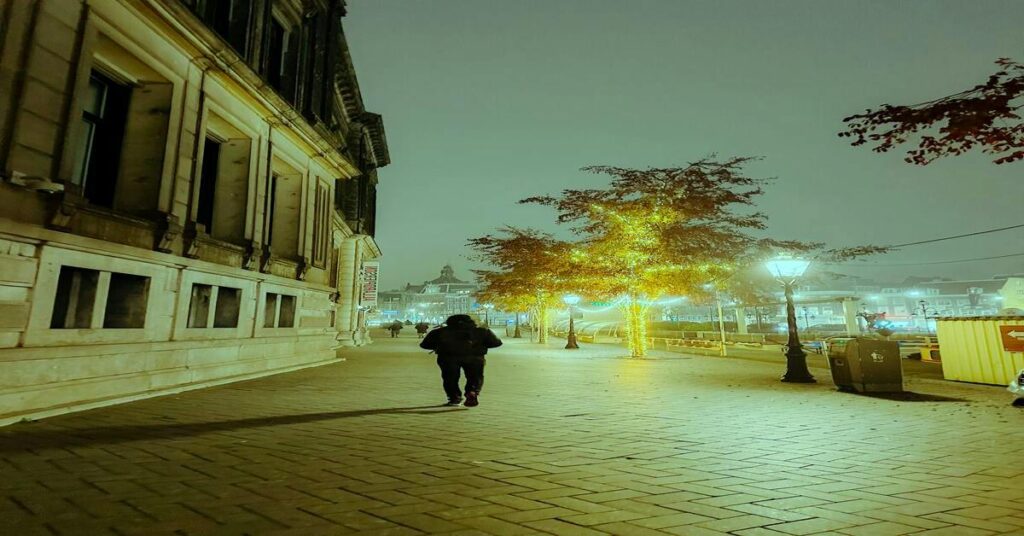
⭐ Quick Answer: Is Night or Day Safer for Solo Travel?
Night vs day solo travel safety is not determined by time alone. In most cities, both day and night can be safe if travelers practice smart travel behavior, stay aware of their surroundings, and avoid risky zones. Daytime increases exposure to pick-pocketing and scams due to crowds, while nighttime increases visibility challenges and isolation risks.
What Does “Safe Travel” Really Mean?
Before comparing night vs day solo travel, we need to understand safety correctly.
Safety does NOT mean zero Risk-that doesn’t exist anywhere, even in your home city.
Instead, safe travel means:
- Being aware of your surroundings
- Reducing avoidable risks
- Making smart, consistent decisions
- Avoiding predictable mistakes
👉 In simple terms: Safe travelers are not lucky-they are prepared.
This mindset is the foundation of modern solo travel risk management.
Travelers are also encouraged to follow official safety recommendations provided by the U.S. Department of State, especially when visiting unfamiliar destinations.
Night vs Day Solo Travel: The Core Differences
Many travelers assume:
- Day = Safe
- Night = Dangerous
But real-world travel safety is more complex.
☀️ Day Travel Characteristics
- Busy streets and crowded attractions
- More transport and service availability
- Easier navigation and visibility
- Higher exposure to scams and pick-pocketing
🌙 Night Travel Characteristics
- Fewer people in public spaces
- Limited services in some areas
- Reduced visibility
- Higher psychological fear factor
👉 Key Insight:
Daytime increases opportunity-based crime, while nighttime increases uncertainty-based Risk.
Why People Fear Night Travel More (Psychology Factor)
Most travelers feel more anxious at night. That is not irrational-it’s psychological.
Human brains are wired to react strongly to darkness because:
- We cannot clearly detect threats
- Fewer people reduce perceived safety
- Silence increases uncertainty
I once arrived late in a quiet European town. Nothing happened-but my mind kept building worst-case scenarios.
👉 This shows an important distinction:
- Perceived danger (fear) ≠ , actual Risk
- Actual Risk depends on the environment, not time
When Night Travel Is Actually Safer
That surprises many travelers, but night travel can sometimes be safer.
✔ Situations Where Night Travel Works Well
- Well-lit major cities (New York, Tokyo, Dubai)
- Airport transfers and business districts
- Pre-booked rides (Uber, Lyft, etc.)
- Hotel-to-hotel movement
✔ Why It Can Be Safer
- Fewer crowds = fewer pickpockets
- Less chaos = better awareness
- Controlled environments = predictable movement
👉 Example:
A quiet, well-lit street at night may feel safer than a crowded tourist market where distractions make theft easier.
When Day Travel Becomes Risky
Daytime often feels safe-but that confidence can create Risk.

❌ Common Daytime Risks
- Pick-pocketing in crowded areas
- Tourist scams and fake guides
- Distraction theft (phones, bags, cameras)
- Overconfidence and reduced awareness
👉 Many travelers underestimate the day Risk because visibility creates a false sense of safety.
Pros and Cons of Night vs Day Solo Travel
🌙 Night Travel
Pros:
- Less crowded spaces
- Fewer scammers
- Peaceful environment
Cons:
- Limited help availability
- Reduced visibility
- Higher psychological stress
☀️ Day Travel
Pros:
- Easier navigation
- More services available
- Better visibility
Cons:
- High pickpocket risk
- Tourist scams
- Distraction-heavy environments
Real-Life Scenarios Solo Travelers Face
Scenario 1: Crowded Market (Day)
You’re walking through a busy tourist market, taking photos-your attention shifts to your phone.
👉 In that moment, a pickpocket takes advantage of distraction.
Scenario 2: Quiet Street (Night)
You’re walking down a dim street alone. You feel nervous-but nothing happens.
👉 Risk was low, but fear was high.
Scenario 3: Late Airport Arrival
You arrive at midnight and use a pre-booked ride.
👉 This is often safer than negotiating random transport during busy daytime hours.
🌍 Regional Safety Differences (Expert Insight)
Solo travel safety also depends heavily on geography.
🇺🇸 USA / Europe
- Strong infrastructure
- Night travel is often safe in cities
- Risk = mostly theft-based, not violent
🇯🇵 Japan / Singapore
- Extremely low crime rates
- Night travel is generally very safe
🌍 Developing regions
- Daytime travel recommended
- Night travel requires caution
👉 Key Insight: Safety is location-driven, not time-driven.
How Location Changes Solo Travel Safety
Location often matters more than day or night.
Urban Areas
- CCTV coverage
- Police presence
- Better lighting
- Higher foot traffic
Rural / Isolated Areas
- Limited assistance
- Low visibility
- Slower emergency response
👉 Example:
A busy downtown street at night can be safer than a deserted rural road in daylight.
How Technology Has Improved Safety in 2026
Powerful tools support modern travel:
- GPS live tracking
- Emergency SOS systems
- Ride-hailing apps with verification
- Digital payments are reducing cash theft risk
👉 Technology doesn’t remove Risk-but it reduces uncertainty dramatically.
Body Language and Confidence: Hidden Safety Factor
Your behavior often matters more than timing.
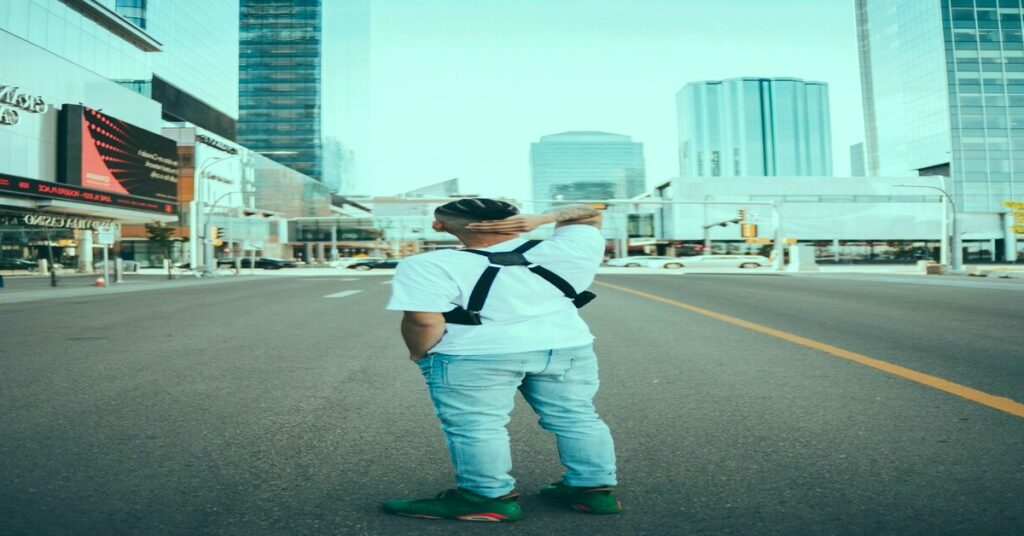
❌ Risk Signals
- Looking lost
- Constant phone checking
- Nervous movement
✔ Safe Signals
- Confident walking
- Awareness of surroundings
- Minimal distractions
👉 Confident travelers are less likely to be targeted in both day and night environments.
Crime Data Insight: When Incidents Actually Happen
Research shows:
- Many crimes occur during daytime activity hours
- Peak range: 10 AM – 10 PM
- Linked to crowd density and movement
👉 Key insight:
More activity = more opportunity for crime.
According to recent reports from the Federal Bureau of Investigation and Bureau of Justice Statistics, a large portion of crimes occur during active daytime hours when public movement is highest.
Different Crimes, Different Timing Patterns
☀️ Daytime Crimes
- Pick-pocketing
- Tourist scams
- Distraction theft
🌙 Nighttime Crimes
- Robbery (in some areas)
- Alcohol-related incidents
- Vehicle-related theft
👉 Risk does not increase or decrease-it changes form.
Tourist Crime Hotspots
High-risk zones include:
- Public transport systems
- Tourist landmarks
- Street markets
- Entertainment districts
👉 These are high-risk, not because of time, but because of crowd density and distraction.
Comparison Table: Night vs Day Solo Travel Safety
| Factor | Day | Night |
| Visibility | High | Low |
| Crowds | High | Low |
| Pickpocket Risk | High | Low |
| Scam Risk | High | Medium |
| Emergency Help | Easy | Limited |
👉 Conclusion: Risk type changes, not overall safety level.
Actionable Solo Travel Safety Tips
Universal Tips
- Stay aware at all times
- Keep valuables hidden
- Share location with trusted contacts
Day Tips
- Avoid overcrowded tourist traps
- Use anti-theft bags
- Stay alert in public transport
Night Tips
- Stick to well-lit areas
- Avoid isolated shortcuts
- Use pre-booked transport
FAQs
1. Is night travel dangerous for solo travelers?
Not always. It depends on location, lighting, and awareness.
2. Is daytime safer for travel?
Not necessarily. Crowds increase the Risk of scams and theft.
3. What is the safest time to travel alone?
No fixed time-behavior matters more than timing.
4. Should beginners avoid night travel?
Yes, until they build confidence and awareness.
5. How can I stay safe at night?
Use trusted transport, stay in well-lit areas, and remain alert.
🔥 Final Verdict: Smart Travel Wins, Not Timing
Night vs day solo travel safety is not about choosing the perfect time-it’s about mastering awareness, behavior, and decision-making.
If you stay alert, understand your environment, and follow smart travel safety practices, both day and night can be safe.
👉 The real advantage is not timing-it’s preparation, awareness, and confidence.
Pingback: Solo Travel Safety Tips Checklist: Stay Safe Anywhere
Pingback: Beginner Solo Travel Tips for First-Time Travelers Guide
Pingback: 11 Best US Solo Travel Destinations That Feel Safe