
Phone died abroad? Learn a proven offline survival system to stay safe, navigate, and recover direction without maps, signal, or tech support tips.
You have just landed in a new country. Maybe it is your first night in a city like Rome, New York, or Bangkok. You step outside the airport, reach for your phone.
Moreover, it is dead.
No maps.
No Uber.
No hotel address.
No way to contact anyone.
That exact “phone died abroad” moment hits harder than most people expect. It is not just inconvenience-it is instant disorientation.
I have seen this happen to travelers more times than I can count. Moreover, the reaction is almost always the same: panic, rushed decisions, and avoidable mistakes.
But here is the truth, most travel blogs do not talk about:
👉 You do not need your phone to stay safe.
👉 You need a system.
This guide will walk you through a real-world offline survival system-something you can rely on when technology fails.

The Real Problem: It is Not the Phone
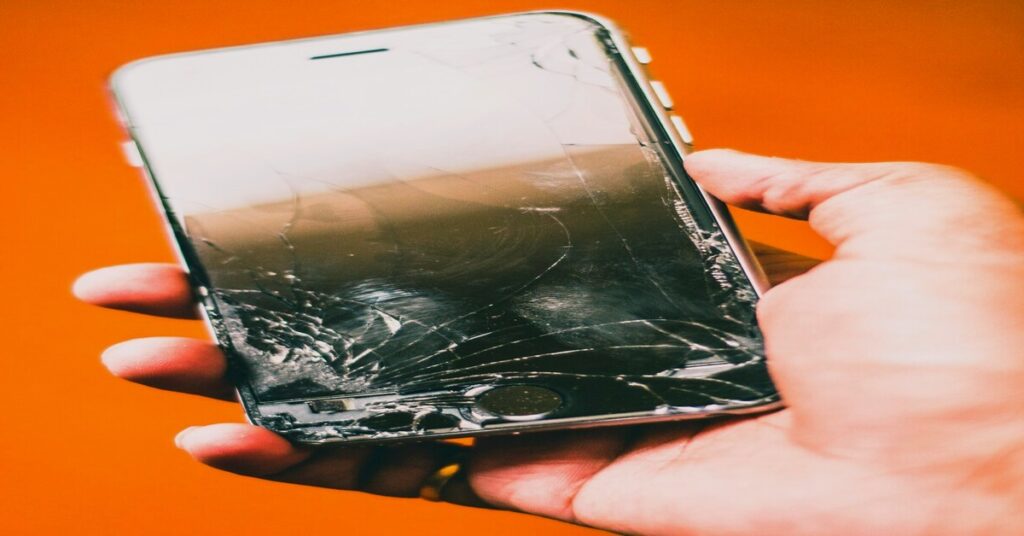
When your phone dies abroad, the real issue is not the device.
It is a loss of control.
You lose:
- Direction
- Communication
- Confidence
- Decision-making clarity
That is why even experienced travelers feel overwhelmed in that moment.
Official travel safety recommendations can help you prepare better for international trips and avoid emergencies:
👉 https://www.usa.gov/travel-abroad
The Panic Response (And Why It Backfires)
Most people react in predictable ways:
- Walking randomly, hoping to “figure it out”
- Following strangers without thinking
- Making rushed transport decisions
- Entering unfamiliar or unsafe areas
I once met a traveler in Barcelona who walked 40 minutes in the wrong direction because he did not want to “look lost.”
👉 That is exactly what gets people into trouble.
The 5 Biggest Mistakes Travelers Make
❌ 1. Moving Without a Plan
Random movement increases confusion.
❌ 2. Trusting Too Quickly
Not everyone has bad intentions-but not everyone is safe either.
❌ 3. Showing Panic
Panic makes you look vulnerable.
❌ 4. Choosing the First Ride Option
Unverified taxis or rides = risk.
❌ 5. Going Into Quiet or Isolated Areas
Less visibility = higher risk.
The Offline Survival System (CORE)
That is the system you follow when your phone dies abroad.
Step 1: Stop Moving
Yes-literally stop.
- Stand still
- Take a breath
- Observe surroundings
👉 Movement without awareness = confusion
Step 2: Identify Safe Zones
Look for:
- Hotels
- Cafés
- Restaurants
- Banks
- Police presence
- Family-friendly places
These are your anchors.
If you are unsure, go inside one.
Step 3: Ask Smart, Not Desperate
How you ask matters.
Instead of:
❌ “I’m lost, I don’t know what to do!”
Say:
✔ “Hi, can you help me find this street or area?”
- Stay calm
- Speak clearly
- Ask specific questions
👉 Confidence = safety
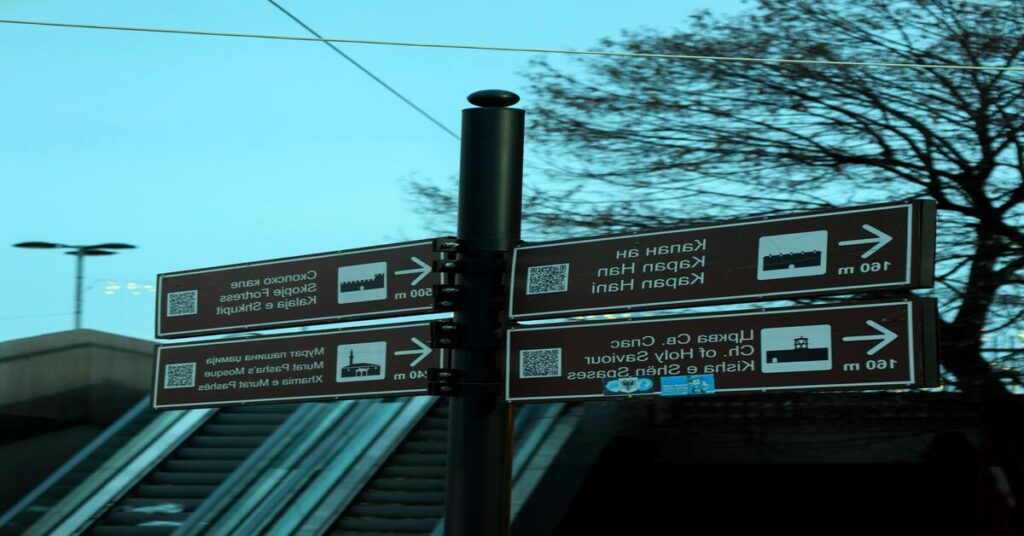
Step 4: Use Physical Landmarks
Before phones, people navigated using:
- Street signs
- Landmarks
- Major roads
- Public buildings
Start noticing:
- Direction of traffic
- Street names
- Big intersections
Step 5: Rebuild Direction Slowly
Do not rush.
- Move step-by-step
- Confirm directions frequently
- Stay in populated areas.
👉 Think of it like reconnecting puzzle pieces
Real-Life Scenarios (What To Do)
✈️ Scenario 1: Outside the Airport
- Go back inside if possible
- Find an information desk
- Ask for official taxi services
- Look for hotel shuttle boards
🌙 Scenario 2: Night Arrival in a New City
- Avoid empty streets
- Stay near lit areas
- Enter a café, hotel, or 24/7 store.
- Ask staff-not random people.
🏙 Scenario 3: Lost in a Busy Street
- Do not rush
- Step into a store
- Ask for a landmark direction
- Re-orient using main roads
🚕 Scenario 4: Need Transport Without Phone
- Use licensed taxis only
- Ask the hotel/restaurant to call one
- Confirm the destination before entering
The “Invisible Traveler” Strategy
That is powerful.
You do not need to look like a tourist.
You need to look like you belong.
✔ Walk calmly
✔ Avoid sudden stops
✔ Observe more, react less
✔ Do not display confusion openly
👉 Confidence reduces risk more than anything else
Prevention Mindset (Before It Happens)
The smartest travelers prepare before things go wrong.
Do this before leaving your hotel:
- Memorize or write your hotel name
- Take a business card from the reception
- Understand your route briefly
- Note nearby landmarks
🧳 Emergency Travel Essentials (When Your Phone Dies Abroad)
The phone died abroad, and everything changed instantly. Without maps or communication, even simple decisions became difficult – not because it is impossible, but because most travelers lack a system.
In that moment, even simple tasks like finding your hotel or contacting someone become difficult. Many travelers only realize this after landing in a new country without power or access to it.
That is why experienced travelers do not depend on a single device. Instead, they rely on a minimal but reliable travel backup system that keeps them functional in real-world emergencies.
🔋 Smart Backup Travel Essentials (Survival System)
Before ending, here are a few simple tools that can significantly reduce this entire risk in the first place.
👉 Portable Power Bank (High Capacity)
A power bank is your first line of defense when your phone dies abroad.
- Keeps your phone active during long travel hours
- Maintains access to maps, bookings, and emergency contacts
- Essential for airports, layovers, and unfamiliar cities
Prevents sudden battery failure at the exact moment you need navigation or emergency access the most.
✔ Ensures you wait connected when it matters most
👉 Universal Travel Adapter
Different countries use different plug systems – and this is where many travelers face problems.
Works across the USA, Europe, Asia, and more
Solves plug compatibility instantly
Ensures uninterrupted charging anywhere in the world
Removes charging uncertainty so your devices stay powered without stress or delay.
✔ Guarantees charging access in any country
👉 Compact Travel Organizer Pouch
Small accessories often become the biggest problem during travel emergencies.
- Keeps cables, chargers, and essentials in one place
- Reduces search time in urgent situations
- Improves overall travel readiness and efficiency
Keeps everything organized so you never waste time searching during emergencies.
✔ Prevents confusion and last-minute panic while traveling
Pros & Cons of Offline Survival Approach
| Pros | Cons |
| Works without tech | Requires mental focus |
| Builds confidence | Slower navigation |
| Safer decision-making | Needs awareness |
| Reduces panic | Not instant solution |
Quick Action Checklist
If your phone dies abroad:
✔ Stop moving
✔ Find a safe place
✔ Stay calm
✔ Ask clearly
✔ Use landmarks
✔ Move step-by-step
Actionable Expert Tips
- Always notice your surroundings-even with a phone
- Learn basic phrases like “help” or “where is”
- Avoid shortcuts in unknown areas
- Trust your instincts-if something feels off, leave
FAQs
1. What should I do immediately if my phone dies abroad?
Stop moving, stay calm, and find a safe public place, such as a hotel or café.
2. Is it safe to ask strangers for help?
Yes-but choose wisely. Ask staff, families, or official workers.
3. How can I navigate without maps?
Use street signs, landmarks, and directions from locals.
4. Should I take a taxi without Booking?
Only if it is licensed or recommended by a hotel or official place.
5. How do I avoid panic in this situation?
Focus on control: stop, observe, and take small steps.
Conclusion – The System That Replaces Your Phone
The phone died abroad, and most people feel helpless and lose direction instantly. Without maps or communication, panic sets in – not because it is impossible, but because they lack a system.
But now you will not. You already know how to stay calm, move safely, and rebuild direction step by step.
👉 You do not need technology to stay safe. You need a system.