
Accommodation Planning 101: Stay Smart & Stress-Free. Step-by-step tips to choose the right area, find ideal lodging, and enjoy worry-free stays.
Finding the right place to stay is more than booking a hotel; Accommodation Planning 101: Stay Smart & Stress-Free shows how the neighborhood, amenities, and accessibility all shape your comfort and stress-free adventure.
Being intentional about accommodation choices ensures you travel confidently, comfortably, and fully ready for anything.
Here’s a quick snapshot to help guide your planning:
| Factor | Why It Matters | Quick Tip |
| Location | Convenience & vibe | Choose neighborhoods near key attractions or transit |
| Type of Lodging | Comfort & budget | Compare hotels, hostels, and Airbnbs for your style |
| Amenities | Ease & preparedness | Prioritize Wi-Fi, storage, and safety features |
| Reviews & Ratings | Reliability | Check recent traveler reviews for authentic insight |
Accommodation Planning 101: Stay Smart & Stress-Free
Accommodation planning isn’t just logistics; it’s strategic preparation.
Start by prioritizing your needs: Do you value location, comfort, or budget more? Your decisions should support stress-free movement and memorable experiences, not just a bed to sleep in.
1. Consider Location First
Your neighborhood choice affects convenience and mood:
- Proximity to attractions, transport, or local eateries
- Safety and quietness of streets at night
- Walkability or access to public transport
Choosing wisely saves time, money, and stress, following Accommodation Planning 101: Stay Smart & Stress-Free principles.
2. Pick the Right Type of Lodging
Different trips call for different accommodations:
- Boutique hotels for comfort and charm
- Hostels for social connections and budget-friendliness
- Airbnbs for flexibility and local immersion
Matching your lodging style to your trip enhances the experience.
3. Check Amenities Carefully
Even small conveniences improve your stay:
- Reliable Wi-Fi for navigation or remote work
- Luggage storage for smooth transitions
- Laundry and kitchen access for longer trips
Amenities ensure you feel prepared, comfortable, and in control.
4. Use Reviews to Your Advantage
Reviews give authentic insight:
- Focus on recent reviews over average scores
- Look for consistent feedback on cleanliness and safety
- Pay attention to responses from hosts or management
That helps you avoid surprises and choose confidently.
5. Plan Flexibly for the Unexpected
Even with research, flexibility is key:
- Keep backup accommodations in case of sudden changes
- Be open to neighborhoods you hadn’t considered
- Allow time for spontaneity in exploring nearby areas
Flexibility ensures your stay remains stress-free and enjoyable, exactly what Accommodation Planning 101: Stay Smart & Stress-Free is designed to help you achieve.
Travelling solo in the US or the UK is an exciting adventure, but choosing the right place to stay can make or break your trip. Accommodation Planning 101: Choose the Right Area, Not Just the Right Hotel emphasizes that the neighborhood you pick matters just as much as the hotel itself. For solo travelers, factors such as safety, accessibility, local culture, and social opportunities are crucial.
In this guide, you’ll learn how to:
- Choose neighborhoods that maximize safety and convenience
- Discover hidden gems often missed by tourists
- Find accommodation that balances cost, comfort, and social engagement
- Plan your stay near local events, cafes, and cultural hotspots
- Optimize your solo travel experience in both the US and the UK cities
Proper Accommodation Planning 101: Choose the Right Area, Not Just the Right Hotel, to ensure your journey is safe, fun, and unforgettable.
Accommodation Planning 101: Choose the Right Area, Not Just the Right Hotel, for Solo Travelers in the US/UK. Discover safe, social, & hidden gems.
Why the Area Matters More Than the Hotel
Many solo travelers focus only on hotel amenities, but Accommodation Planning 101: Choose the Right Area, Not Just the Right Hotel shows that solo travel neighborhood hacks and area-based travel planning matter more. Staying near public transport, walkable streets, local cafes, and social hubs lets you explore safely and enjoy hidden neighborhoods with authentic experiences.

Key Benefits of Choosing the Right Neighborhood
- Safety: Being in a low-crime area reduces stress and enhances enjoyment
- Convenience: Proximity to attractions, transport, and essentials
- Socialization: Cafes, co-working spaces, and meetup events for connections
- Cultural Immersion: Neighborhoods that are affluent in local life give authentic experiences
- Cost Efficiency: Offbeat neighborhoods offer affordable options without sacrificing quality
Using Accommodation Planning 101: Choose the Right Area, Not Just the Right Hotel strategies helps solo travelers maximize every Aspect of their stay.
Comparison: Hotel-Focused vs Area-Focused Planning
| Aspect | Hotel-Focused | Area-Focused | Benefit |
| Safety | depends on hotel security | influenced by neighborhood crime rates | Area-focused planning enhances safety |
| Convenience | Travel from the hotel to the attractions | Live near public transport & hotspots | Saves time & energy |
| Social Opportunities | Limited to hotel facilities | Cafes, co-working, local meetups | and a Greater chance to connect |
| Cultural Experience | Mostly tourist areas | Neighborhoods with local markets/events | Immersive experience |
| Budget | May pay more for hotel perks | Cost-effective rentals/hostels in offbeat areas | Higher value for money |
Pro Tip: Solo travelers who prioritize neighborhoods over hotel amenities often have longer, more engaging experiences, with opportunities to explore like a local.
Researching Neighborhoods before Booking
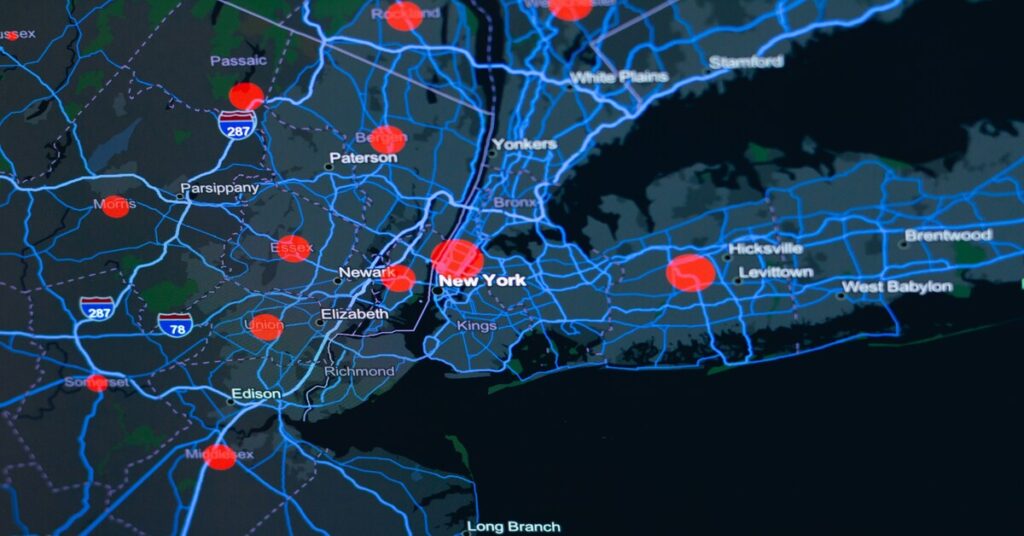
Before booking, follow Accommodation Planning 101: Choose the Right Area, Not Just the Right Hotel, to research neighborhoods. Check neighborhood ratings, liveability scores, walkability, and safety measures. Use travel apps like Google Maps, Rome2Rio, and other area-based travel-planning tools to plan routes, find public transport, and uncover hidden neighborhoods with authentic experiences for solo travelers.
Lonely Planet – Travel Guides & Tips
Accommodation Planning 101: Choose the Right Area, Not Just the Right Hotel emphasizes checking key neighborhood features for solo travelers:
- Walkable streets: Reduce travel fatigue and improve safety
- Local cafes & social hubs: Great for meeting locals or other travelers
- Public transport proximity: Reduces dependency on taxis or ride-shares
- Cultural hotspots: Markets, events, festivals, and galleries
- Emergency services: Pharmacies, clinics, and hospitals nearby
Quick Reference Table: Neighborhood Planning Metrics
| Metric | Importance Solo Travel | Benefit |
| Safety Rating | High | Peace of mind |
| Walkability | High | Convenient & safe movement |
| Proximity to Transport | High | Reduces travel time & cost |
| Social Hubs | Medium | Opportunities to meet others |
| Local Events & Markets | Medium | Cultural immersion |
| Accommodation Options | High | Balance of cost, comfort, and interaction |
Using this checklist ensures your Accommodation Planning 101: Choose the Right Area, Not Just the Right Hotel strategy maximizes safe, convenient, and social solo stays, uncovers hidden neighborhoods with authentic experiences for solo travelers, and improves area-based travel planning for solo trips.
Types of Areas to Consider
Central vs Suburban Neighborhoods
- Central Areas: High convenience, closer to attractions, often pricier
- Suburban Areas: Quieter, better value, may require additional travel
- Offbeat Neighborhoods: Hidden gems rich in culture and local life, ideal for immersive solo experiences
Hidden Local Gems
Accommodation Planning 101: Choose the Right Area, Not Just the Right Hotel highlights the best hidden areas for solo stays away from tourist crowds, offering safety, local culture, and social opportunities.
- Authentic local restaurants and cafes
- Social hubs like co-working spaces and art galleries
- Opportunities for photography and cultural discovery
Trendy or Social Neighborhoods
Neighborhoods with nightlife and culture are ideal for solo travelers. Accommodation Planning 101: Choose the Right Area, Not Just the Right Hotel helps solo adventurers find social meetup spots and hidden neighborhoods with authentic experiences.
- Community workshops
- Music and art events
- Food markets or pop-up fairs
Tip: Mix safety, accessibility, and social opportunities to maximize your experience.
Accommodation Options Beyond Hotels
TripAdvisor – Reviews, Hotels & Things To Do
Hostels
Hostels offer affordable, social environments, ideal for solo travelers. Many hostels provide:
- Free walking tours
- Cooking or language classes
- Local meetup events
Apartments & Vacation Rentals
Accommodation Planning 101: Choose the Right Area, Not Just the Right Hotel shows how to pick apartments or boutique hotels for solo travelers. Rentals with kitchens save cost, and staying near local events and cultural hotspots enhances area-based travel planning for solo trips and local connections.
Boutique Hotels & Guesthouses
Accommodation Planning 101: Choose the Right Area, Not Just the Right Hotel shows that boutique accommodations offer local flavor and personalized service. Solo-friendly lodging strategies include:
- 24/7 reception
- CCTV and secure entry
- Neighborhood safety ratings
Following Accommodation Planning 101: Choose the Right Area, Not Just the Right Hotel ensures your accommodation is both safe and socially enriching.
Safety and Comfort Considerations
Safety is a top unease for solo travelers. Secure accommodation tips for solo adventurers include:
- Checking door locks and windows
- Avoiding poorly lit streets at night
- Staying near emergency services
Accommodation Planning 101: Choose the Right Area, Not Just the Right Hotel shows that staying safe in unfamiliar cities starts with planned routes, emergency contacts, and avoiding risky spots. Blending safety with solo-friendly social options makes your trip both secure and enjoyable.
Maximizing Local Immersion
Local immersion tips for solo travelers include exploring nearby markets, cultural events, and offbeat attractions. Neighborhoods with cafes, co-working spaces, and social hubs enrich your experience.
Neighborhoods near Events & Cultural Hotspots
- Festivals and street fairs
- Art galleries and exhibitions
- Farmers’ and craft markets
Accommodation Planning 101: Choose the Right Area, Not Just the Right Hotel shows that walkable urban zones for solo trips boost safety, ease mobility, and create a seamless travel experience.
Tools and Techniques for Smart Accommodation Planning
- Use travel apps for neighborhood ratings and routes
- Step-by-step guide to finding safe, convenient, and social solo stays helps shortlist areas
- Check liveability scores and map proximity to attractions, transport, and social hubs
Visual: Neighborhood Scoring Chart
Neighborhood Feature Score (1-10) Priority
| Safety | 9 | High |
| Walkability | 8 | High |
| Social Hubs | 7 | Medium |
| Public Transport | 9 | High |
| Cultural Spots | 8 | Medium |
Use scoring to select neighborhoods that maximize experience, safety, and engagement.
Common Mistakes to Avoid
- Choosing hotels without checking neighborhood safety
- Ignoring walkability and public transport access
- Focusing solely on cost or amenities
- Overlooking cultural immersion and hidden gems
How to Pick the Perfect Neighborhood
- Safety first: Check crime stats, lighting, and emergency access
- Access to essentials: Supermarkets, pharmacies, and hospitals
- Social opportunities: Cafes, co-working spaces, meetup events
- Cultural experiences: Markets, museums, festivals, local hotspots
- Transport efficiency: Metro, buses, bike rentals
Choosing a neighborhood that maximizes solo travel experiences requires balancing these factors with personal preferences. Prioritize solo traveler-friendly streets for safe mobility.
Suggested Neighborhoods for US/UK Solo Travelers
London
- Shoreditch: Vibrant, social, cultural hotspots
- Camden: Music, markets, nightlife for solo engagement
New York
- Williamsburg: Trendy, artistic, walkable streets
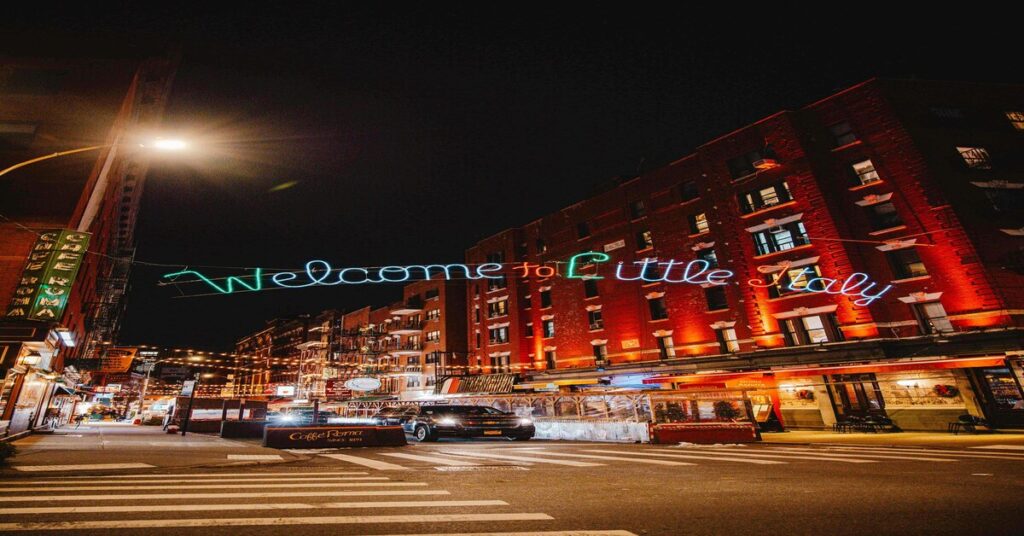
- Greenwich Village: Safe, historical, cafes, social hubs
Tips for Other Cities
Use local maps, check solo traveler-friendly streets, and verify amenities. Hidden neighborhoods often provide authentic experiences that central tourist areas cannot.
Budgeting and Accommodation Planning
US/UK solo traveler accommodation planning for first-time explorers involves budgeting for:
- Lodging
- Food
- Local activities and transport
Balance cost with convenience and local immersion. Hostels, rentals, and boutique stays save money while offering opportunities to meet locals. The best ways to combine safety, cost, and social opportunities when booking alone ensure a rewarding experience.
FAQs
1. Is solo travel safe in the USA?
Yes, depends on the area you choose. Research neighborhoods, use travel apps, and follow local safety guidelines.
2. Is solo travel expensive?
Budget range varies. Hostels, vacation rentals, and offbeat neighbourhoods save costs while providing great experiences.
3. What is the best age to travel solo?
Any age, but plan according to comfort level, mobility, and local safety factors.
4. How do I meet people while staying alone?
Stay in social hostels, attend local events, or join group tours. Cafes and co-working spaces are ideal.
5. How can I ensure my accommodation is safe?
Check reviews, safety ratings, street lighting, and secure access. Prioritize low-crime neighborhoods with nearby emergency services.
Conclusion
Accommodation Planning 101: Stay Smart & Stress-Free is essential for solo travelers in the US and UK. Your neighborhood impacts safety, convenience, social opportunities, and cultural experiences. By researching neighborhoods, checking safety, and prioritizing local immersion, solo travelers can maximize enjoyment while minimizing risks. Proper planning ensures a memorable, secure, and enriching adventure every time.
Pingback: Solo Travel Planning Guide: 10 Steps to Travel for US/UK
Pingback: Solo Travel Tips for Students: The Ultimate Guide for US/UK
Pingback: Perfect 7-Day Solo Travel Itinerary: How to Plan Stress-Free