
How Pickpockets Target Tourists While Traveling explains criminal psychology, warning signs, and prevention so solo travelers stay protected abroad.
Most tourists believe pickpocketing happens because of bad luck.
That belief is precisely why it keeps happening.
How Pickpockets Target Tourists While Traveling is not about listing common scams or blaming careless Behavior. It is about understanding selection, evaluation, and execution – the three invisible phases criminals use to decide who is worth stealing from and who is not.
If you are a solo traveler from the US, UK, or another high-income country, this matters even more. You are not targeted because you are weak. You are targeted because criminals believe the risk-to-reward ratio favors them.
What You’ll Learn in 2 Minutes
- How criminals identify tourists before any theft attempt
- Why solo travelers are selected faster than groups
- Which everyday travel moments are statistically the highest-risk
- How pickpockets test you without you realizing it
- How to break the targeting cycle before theft happens
✅ best anti-theft backpack to deter pickpockets
Key Takeaways for Solo Travelers
How Solo Travelers Accidentally Signal Vulnerability
Why Pickpockets Choose Tourists Before They Steal
Pickpocketing is never a random act. A criminal first decides who is worth targeting, and only then decides when and how to steal. Tourists are chosen not because they are careless, but because their behavior is easier to predict. This selection process usually begins several minutes before any theft actually occurs.
✅ secure travel crossbody bag with RFID protection

The Silent Profiling Process Criminals Use in Public Spaces
Pickpockets do not simply look at people in crowds; they observe movement patterns. How Pickpockets Target Tourists While Traveling begins with noticing small behavioral cues. A traveler who repeatedly stops to check their phone, frequently changes direction, or visibly scans their surroundings is quickly identified as an outsider. Criminals also assess how a potential victim might react if theft occurs – whether they would chase, freeze, or appear confused. This profiling often takes just a few seconds, but once completed, the decision to target is effectively made.
How Solo Travelers Accidentally Signal Vulnerability
Solo travel is not risky because you are alone; it becomes risky because there is no shared awareness buffer. How Pickpockets Target Tourists While Traveling shows that in a group, even one alert person can reduce risk. A solo traveler, however, is evaluated entirely on their own behavior, making every action more visible to those watching.
✅ slim anti-theft crossbody bag for urban travel
Small Habits That Make Solo Travelers Look Like Easy Targets
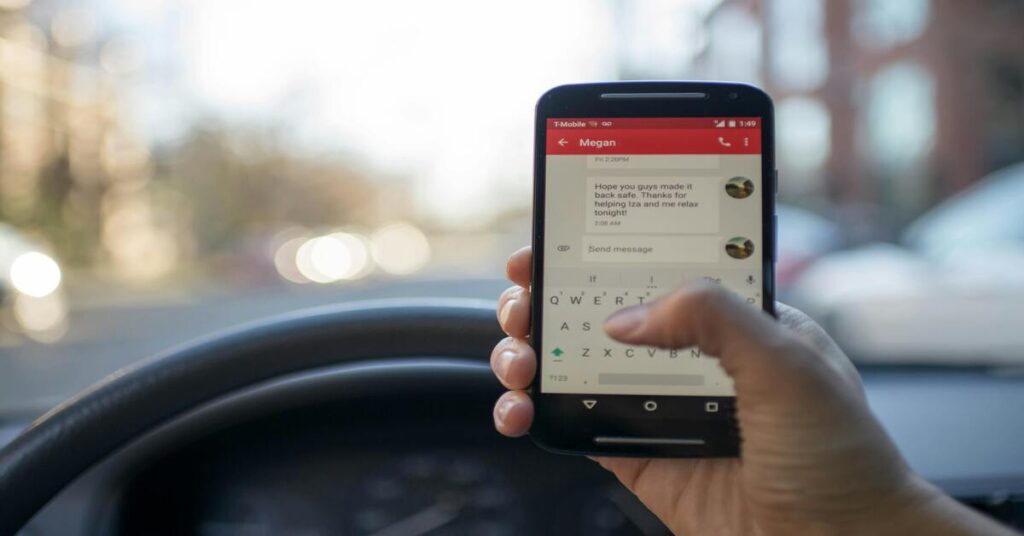
Solo travelers often prioritize convenience – holding their phone constantly, wearing a bag on one shoulder, and paying more attention to the screen than to their surroundings. These habits signal to pickpockets that the person is mentally distracted. Another standard indicator is a delayed reaction when someone stands too close without an immediate response. For criminals, this is a clear green light. That does not mean solo travel is unsafe; it means solo travelers must consciously refine their behavior to reduce risk.
The Exact Moment Pickpocketing Risk Peaks for Tourists
Many people believe danger only exists in crowded areas, but the highest risk actually occurs during transition moments. How Pickpockets Target Tourists While Traveling highlights that these are the times when you are moving from one place to another, and your attention is already focused on the next task.
Why Exits, Transfers, and Arrival Zones Are High-Risk Areas
Train station exits, airport baggage halls, and hotel entrances are moments when travelers mentally switch into “task completed” mode. At this point, natural alertness drops. Pickpockets wait for this window because of the confusion, crowd movement, and multiple escape routes, all of which work in their favor. Travelers often feel safe because they have reached their destination, when in reality, this is the most vulnerable moment. Maintaining awareness here alone prevents the majority of theft incidents.
How Pickpockets Target Tourists While Traveling: The Core Truth
Pickpockets do not operate on chance.
They operate on behavioral certainty.
The reason How Pickpockets Target Tourists While Traveling ranks as a fear-driven query is because travelers sense this truth instinctively – but rarely understand it clearly.
Read This before You Assume You’re Safe
If you think “this won’t happen to me,” you already match the first targeting criterion.
Why Tourists Are Selected Before They Are Stolen From
Selection Always Comes Before Theft
Pickpockets scan crowds continuously, filtering people based on:
- Awareness level
- Predictability
- Escape difficulty
- Perceived reporting likelihood
Tourists score high on all four, which is precisely why How Pickpockets Target Tourists While Traveling focuses on these behavioral patterns.
Why Locals Are Ignored
Locals:
- Move with purpose
- React faster
- Know escape routes
- They are more likely to confront
Tourists hesitate. Criminals notice.
That is the foundation of How Pickpockets Target Tourists While Traveling – selection beats opportunity.
The Solo Traveler Disadvantage (And Why It’s Fixable)
Why Being Alone Changes Criminal Math
Solo travelers are evaluated as:
- Easier to isolate
- Less likely to chase
- Slower to realize loss
That does not mean solo travel is unsafe. How Pickpockets Target Tourists While Traveling shows that solo travel requires behavioral awareness to stay protected.
That Is Where Most Travelers Get It Wrong
They focus on hiding valuables instead of changing Behavior.
Emotional States Pickpockets Actively Exploit
Arrival Anxiety
The first hours in a new destination are the most dangerous:
- Jet lag
- Navigation stress
- Phone dependency
Cognitive Overload
When your brain is processing:
- Signs
- Sounds
- Language
- Directions
Your situational awareness drops.
Fatigue and Relief
Ironically, theft often happens after stress – when travelers relax too early, which is precisely why How Pickpockets Target Tourists While Traveling emphasizes constant situational awareness.
Behavioral Signals That Scream “Tourist”
Key Signals Pickpockets Look For
| Signal | Why It Matters |
| Repeated phone checking | Predictable focus |
| Stopping suddenly | Hesitation marker |
| Bag adjustment | Value confirmation |
| Eye scanning | Unfamiliarity |
| Slow walking speed | Easy pacing |
These signals explain How Pickpockets Target Tourists While Traveling far better than clothing stereotypes.
The Hidden High-Risk Zones Nobody Warns You About
Transition Zones (Most Dangerous)
- Train station exits
- Airport baggage areas
- Hotel entrances
- Transport interchanges
Why Landmarks Are Safer Than Exits
Landmarks have:
- Police presence
- Cameras
- Witness density
Exits offer:
- Chaos
- Directional flow
- Escape paths
Read This before Your Next Transit Transfer
The exit, not the attraction, is the danger zone – a key insight in How Pickpockets
Target Tourists While Traveling for all solo travelers.
How Pickpockets Test You before Committing
The Boundary Test
A subtle brush, bump, or proximity check.
No theft yet – only reaction analysis.
The Awareness Test
They watch:
- Do you look back?
- Do you adjust position?
- Do you freeze?
The Disengagement Signal
If you react confidently, they leave.
If not, you are escalated.
This testing phase defines How Pickpockets Target Tourists While Traveling in real time.
Modern Pickpocketing in 2026 (What’s Changed)
Phones over Wallets
Phones offer:
- Resale value
- Data access
- Payment systems
Speed over Stealth
Quick grabs beat complex lifts.
Teams over Individuals
One distracts, one lifts, one exits.
Old Myths vs Modern Reality
| Myth | Reality |
| Only crowded places | Transitions matter more |
| Fancy clothes attract thieves | Behavior attracts thieves |
| Pickpockets work alone | Teams dominate |
| Wallets are main target | Phones lead |
Why Convenience Is the Enemy of Safety
One-Bag Mentality
Carrying everything together:
- Passport
- Phone
- Cards
- Cash
Creates a single point of failure.
Over-Trusting “Safe Countries”
High-income tourists are targeted because destinations are safe – criminals face lower suspicion, which is precisely why How Pickpockets Target Tourists While Traveling stresses awareness even in “secure” locations.
That Is Where Prevention Actually Works
Before theft begins.
Breaking the Targeting Cycle
Behavioral Shifts That Reduce Risk
- Controlled walking speed
- Minimal phone exposure
- Purposeful posture
- Strategic pauses
Why Visible Security Wins
Criminals prefer unknown outcomes.
Anything that increases uncertainty removes you from selection.
That is why gear choices matter – especially backpacks designed to deny access rather than recover loss.
Learn more in our [anti-theft backpack guide] for the best designs and safety tips for solo travelers.
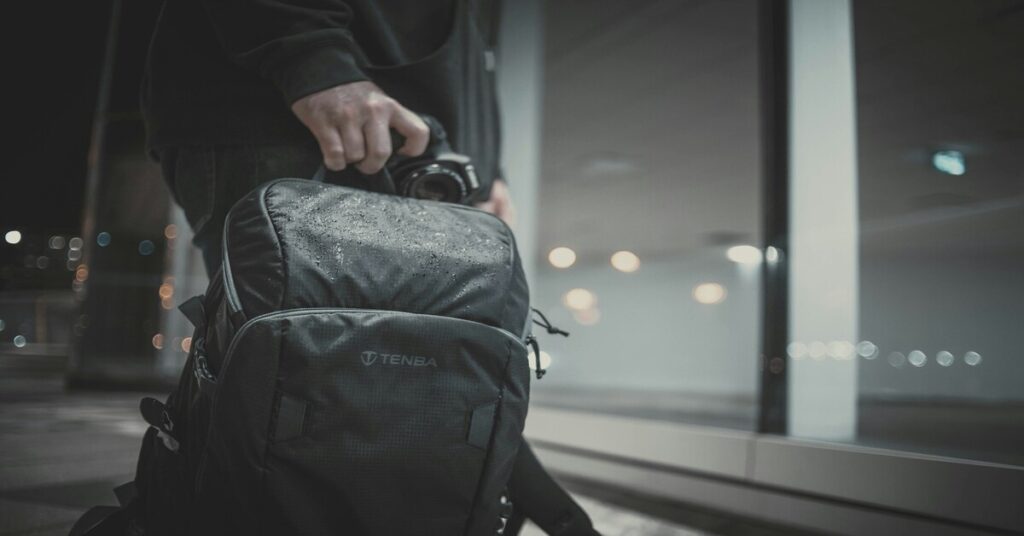
Why Certain Backpacks Change Criminal Decisions
Access Denial vs Theft Recovery
Pickpockets prefer:
- Easy access
- Silent entry
- Fast exit
They avoid:
- Locking mechanisms
- Rear-access designs
- Slash-resistant materials
The moment
The moment access becomes complex, they disengage – this is a key reason How Pickpockets Target Tourists While Traveling emphasizes choosing the right gear and awareness strategies.
What to Do When You Feel You’re Being Evaluated
Immediate Actions
- Change direction
- Stop briefly
- Adjust posture
- Make eye contact
Why This Works
It breaks predictability – the core of How Pickpockets Target Tourists While Traveling.
If Theft Happens: Avoid These Mistakes
Do Not Chase
Chasing escalates risk.
Do Not Freeze
Immediate reporting protects finances.
Do Not Delay
The first hour matters most.
Recovery Checklist (Solo Travelers)
Step-by-Step Recovery Actions
- Freeze cards
- Secure identity documents
- Contact accommodation
- File report
- Replace essentials
FAQs
1. Is solo travel safe in the USA?
Yes, depends on the destination, timing, and awareness. Most incidents are avoidable with behavioral adjustments.
2. Is solo travel expensive?
It depends on choices. Budget ranges vary widely, and solo travelers often save through flexibility.
3. What is the best age to travel solo?
Any age works, but confidence and planning matter more than numbers.
4. Do pickpockets target confident travelers?
Rarely; Confidence disrupts selection patterns.
5. Are anti-theft backpacks really effective?
Yes, because criminals recognize access difficulty instantly.
Final Reality for US & UK Solo Travelers
How Pickpockets Target Tourists While Traveling is not about fear – it is about awareness.
Most thefts happen not because travelers are careless, but because they are predictable. When you understand how selection works, you stop being a target without becoming paranoid.
Travel smart. Stay aware. Let criminals choose someone else.
Pingback: How to Keep Valuables Safe While Traveling Travel Safety
Pingback: Anti Theft Backpack vs Normal Backpack: Key Differences
Pingback: 7 Genius Anti-Theft Backpacks for Secure Travel in 2026