
How to Plan a Solo Trip without Getting Stressed & Lost: Step-by-step tips to organize, stay confident, and fully enjoy every single journey worry-free.
Solo travel is exciting, but planning it can feel overwhelming. Knowing how to plan a solo trip without getting stressed & lost ensures every decision you make; from destinations to accommodations; sets the tone for your adventure.
Being organized and intentional ensures you start confidently, reduce stress, and make the most of every moment.
Here’s a quick snapshot to help structure your planning:
| Planning Area | Why It Matters | Quick Tip |
| Itinerary & Routes | Stay on track without stress | Outline must-see spots, leave room for spontaneity |
| Accommodation | Comfort & convenience | Book early, mix hotels, hostels, and Airbnbs |
| Budget & Money | Freedom & flexibility | Track expenses and set aside daily fun money |
| Essentials Packing | Peace of mind | Organize gear, gadgets, and clothing in advance |
How to Plan a Solo Trip without Getting Stressed & Lost
Planning a solo trip isn’t about perfection; it’s about confidence and flow.
Start by identifying your priorities: What experiences are essential, and where can you stay flexible? Your plan should be a roadmap, not a cage.
1. Map Your Energy & Time
Understanding your daily energy helps prevent overwhelm:
- Morning: sightseeing or active exploration
- Afternoon: museums, markets, or cafes
- Evening: reflection, journaling, or rest
Mapping energy ensures your itinerary aligns with your rhythm and keeps the day enjoyable, helping you plan a solo trip without getting stressed & lost.
2. Pack Smartly, Not Excessively
Packing efficiently reduces stress:
- Versatile clothing for different weather and activities
- Keep essentials in your carry-on for easy access
- Organize gadgets and chargers in pouches
Smart packing keeps you ready for anything while avoiding heavy baggage stress.
3. Manage Money Confidently
Financial clarity is freedom:
- Notify banks of travel plans
- Divide cash and cards securely
- Track daily spending for flexibility
This approach lets you focus on adventure instead of worrying about money.
4. Stay Flexible & Observant
Even the best plans need adjustment:
- Keep free windows in your schedule for unexpected discoveries
- Observe local culture and adapt your plans accordingly
- Don’t overbook; moments of spontaneity often create the best memories
5. Reflect and Adjust Daily
At the end of each day:
- Review what worked and what didn’t
- Adjust the next day’s plan based on energy and experience
- Capture highlights in a journal or photo diary
Daily reflection helps you stay stress-free and fully enjoy the journey, making it easier to follow: how to plan a solo trip without getting stressed & lost.
By focusing on energy, packing, money, flexibility, and reflection, you learn how to plan a solo trip without getting stressed & lost, creating a confident and memorable adventure from start to finish.
Planning a solo trip can be exhilarating, yet overwhelming. Travelers from the US and UK often struggle with information overload, numerous decisions, and mental fatigue when organizing flights, accommodations, activities, and transportation. Understanding how to plan a solo trip without getting overwhelmed is essential for enjoying both the preparation and the journey itself. This minimalist strategy is designed to reduce cognitive load, simplify decisions, and ensure a stress-free, joyful travel experience. By embracing a minimalist mindset, travelers can focus on experiences rather than logistics, making every moment meaningful and memorable.
How to plan a solo trip without getting overwhelmed with stress-free tips, minimalist strategies, and step-by-step planning guides for US/UK travelers.
THE PSYCHOLOGY BEHIND TRAVEL OVERWHELM
Understanding Mental Load Solo Travel
One of the main reasons travelers feel stressed is mental load. Endless options for destinations, hotels, restaurants, and experiences can trigger decision fatigue. Learning how to plan a solo trip without getting overwhelmed begins with acknowledging this cognitive limitation. By reducing unnecessary choices, you protect your mental energy for the experiences that truly matter. For example, instead of booking 10 activities for a single day focus on two meaningful experiences that creates lasting memories.
Solo Traveler Overwhelm Triggers
Pressure to do everything, limited vacation time, and fear of missing out create overwhelm. Social media, travel blogs, and even well-meaning friends can amplify stress. Recognizing your personal triggers allows you to implement a minimalist solo travel planning strategy, focusing only on what is essential. US and UK travelers often face FOMO, but choosing a few high-impact experiences over a jam-packed itinerary reduces anxiety and allows deeper engagement with the destination. Learning how to plan a solo trip without getting overwhelmed ensures your trip planning stays manageable, enjoyable, and aligned with your personal travel rhythm.
Travel Planning Mental Clarity
Mental clarity is a cornerstone of stress-free planning. Define what emotions you want during your trip: calm, inspiration, relaxation, adventure, or connection. When purpose drives decisions, your overwhelm-free trip planning naturally unfolds. Take time to journal your priorities, highlight your must-see experiences, and discard activities that don’t align with your goals. This intentional approach ensures every choice enhances the travel experience rather than draining your energy. How to Plan a Solo Trip without Getting Overwhelmed
MINIMALIST SOLO TRAVEL PLANNING BLUEPRINT
The Solo Travel Decision Framework
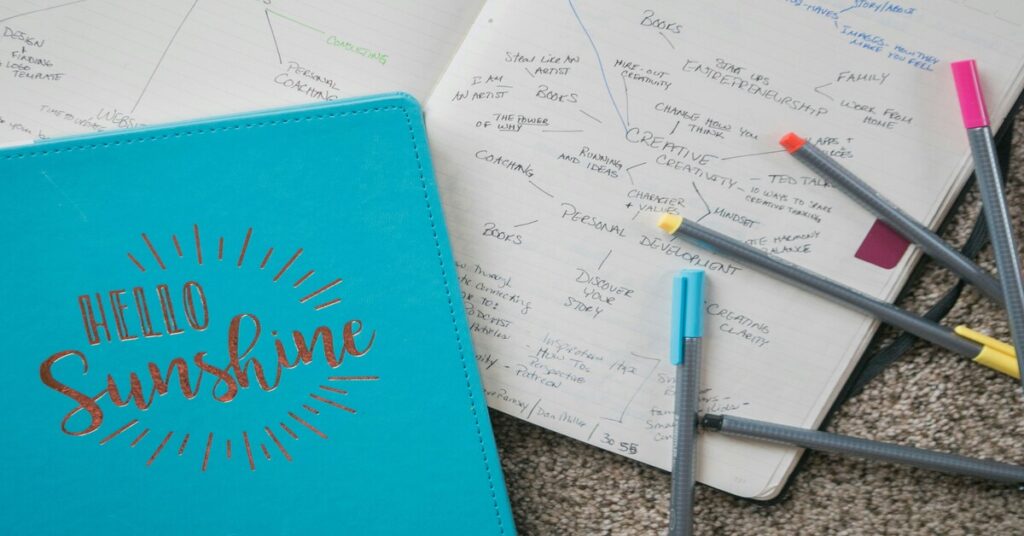
Using a structured framework simplifies planning. Focus on three anchors: accommodation, transportation, and one key activity. Securing these elements ensures stability and optional freedom of choice, how to plan a solo trip without getting overwhelmed and make confident decisions. Consider creating a visual map of your journey that highlights only anchor points. That provides clarity without overloading the brain with details.
One-Page Travel Plan
A one-page travel plan condenses all essential information: arrival details, accommodation, key routes, meals, anchor activities, and departure instructions. This minimalist tool reduces stress and keeps your day organized without rigid schedules, a key technique in overwhelm-free trip planning. For example, having your hotel address, transit info, and one planned activity for the day on a single sheet ensures you never feel lost or stressed while traveling alone, How to Plan a Solo Trip without Getting Overwhelmed.
Micro-Planning for Solo Travel
Micro-planning breaks the day into manageable chunks: one significant activity, one minor activity, meals, and rest. That maintains energy balance, avoids burnout, and ensures time for spontaneity. Travelers use micro-planning, How to plan a solo trip without getting overwhelmed while keeping flexibility. Adding mini “downtime” slots between activities lets you explore local streets, grab a coffee, or rest, enhancing the overall travel experience.
PRE-TRAVEL MENTAL RESET
How to Feel in Control While Planning a Trip
Emotional preparation is essential. Reduce anxiety by organizing essentials, visualizing the itinerary, and accepting that not everything will go perfectly. Pre-travel mental reset ensures confidence, calmness, and readiness, core principles in mental load solo travel. Incorporate breathing exercises or a short meditation routine before packing to center your mind and reduce last-minute stress.
Reducing Decision Fatigue
Limit options for destinations, activities, and dining. For instance, select three potential cities, three restaurants per area, and two main activities per day. Simplifying choices directly supports learning, how to plan a solo trip without getting overwhelmed. Decision fatigue can be further reduced by pre-booking only critical activities and leaving room for spontaneous exploration.
LOW-STRESS DESTINATION PLANNING
Choosing the Right Destinations
Pick destinations aligned with your emotional and experiential goals. Focus on cities or regions that match your desired energy and pace. Limiting choices to three locations reduces stress and ensures a more enjoyable experience. Consider factors like ease of transportation, language, and safety to avoid unexpected stress during the trip.
External Links
- Lonely Planet – Travel Guides & Tips: https://www.lonelyplanet.com
- TripAdvisor – Reviews, Hotels & Things To Do: https://www.tripadvisor.com
- Google Travel Insights: https://travel.google.com
Minimal-Effort Route Planning
Plan simple navigation: one main walking route, one transit method, and a backup. This minimalist approach reduces confusion and helps travelers master, How to plan a solo trip without getting overwhelmed. Simple route planning also reduces mental fatigue and increases confidence, especially for first-time solo travelers in the US or UK.
PERSONALIZED TRAVEL RHYTHM
Anchor Activities Solo Travel
Identify the anchor activities that form the day’s backbone: a key attraction, a meal, or a cultural experience. Anchor activities provide structure without rigidity. By having one central plan per day, you give yourself freedom to explore smaller local experiences spontaneously. This approach is a core principle. Helping travelers maintain an overwhelm-free trip planning while enjoying flexibility and mindfulness during their journey, How to plan a solo trip without getting overwhelmed.
Energy-Based Trip Planning
Schedule activities according to energy peaks; most travelers have morning or early afternoon peaks. Place major activities here and minor activities during lower energy periods. That prevents fatigue and keeps mental load low. Integrating rest breaks or micro-adventures ensures a smoother, more enjoyable trip.
NAVIGATION MINIMALISM TECHNIQUES
Simple Travel Apps for Solo Travelers
Use only essential apps: navigation, booking, transit, and translation. Avoid unnecessary apps that add stress. This minimalist digital strategy helps you plan a solo trip without getting overwhelmed. Examples include Google Maps, Citymapper, or a single-language app. Avoid overloading your phone with dozens of apps that distract rather than help.
MINIMALIST PACKING MINDSET
Packing Essentials
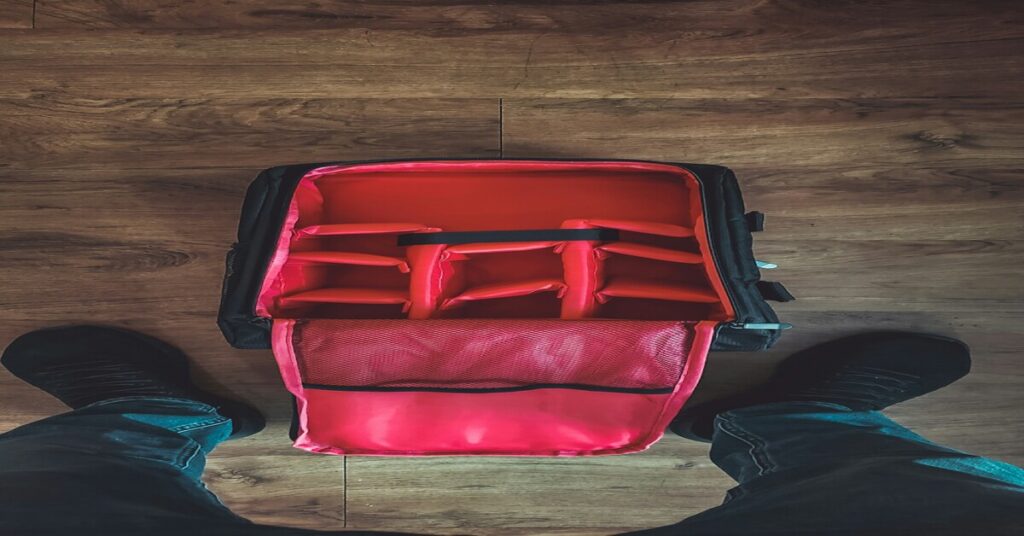
Pack only the items you use regularly. A capsule wardrobe, shoes, an outer layer, and essentials suffice. Less clutter equals less stress and better mobility. Include packing cubes or compression bags for organization. Adopting a minimalist packing mindset is a key strategy, as it directly reduces stress before and during the journey while keeping your travel experience manageable and straightforward, How to plan a solo trip without getting overwhelmed.
TRAVEL INSURANCE AND FINANCIAL PLANNING
Minimalist Travel Insurance Plans
Select clear, reliable insurance tailored to the trip length and location. Avoid overcomplicated coverage. Minimalist insurance reduces worry and supports overwhelm-free solo travel. Compare policies online to find the most streamlined option for US and UK travelers.
Daily Budgeting Made Simple
Use a Two-Number Budget: daily spend and total trip allowance. That prevents overspending, simplifies tracking, and makes the trip enjoyable for US and UK travelers. Apps or simple spreadsheets work well to keep finances minimal and stress-free. Incorporating this method is essential. How to plan a solo trip without getting overwhelmed, supporting overwhelm-free trip planning and allowing travelers to focus on experiences rather than financial stress.
STRESS-PROOF MEAL PLANNING
Simplifying Dining Decisions
Choose 3-5 restaurants or food spots near the accommodation. Minimizing dining decisions saves mental energy, a key step, How to plan a solo trip without getting overwhelmed. Even having a “go-to breakfast, lunch, and dinner” template makes daily life smoother.
SPONTANEITY AND FLEXIBILITY
Pause–Simplify–Replace Method
If plans change, pause, simplify to two options, and pick an easier alternative. That keeps calm and reinforces minimalist travel principles. Even if a museum is closed, choose a nearby park or café. This simple method helps. How to plan a solo trip without getting overwhelmed and supports overwhelm-free trip planning with flexibility.
EMBRACING MINIMALIST TRAVEL MINDSET
Mental Clarity and Joy
Minimalist travel emphasizes prioritization, emotional preparation, and flexibility. Travelers experience more presence, enjoyment, and satisfaction by focusing on essentials. Adopting this mindset helps you, How to plan a solo trip without getting overwhelmed.
SAMPLE MINIMALIST DAY
Daily Rhythm Example
Wake up, check the weather, select one significant activity and one minor activity, follow the anchor routes, eat at pre-selected spots, and enjoy flexibility. This method allows spontaneity while keeping stress to a minimum.
MINIMALIST TEMPLATES
3-Day, 5-Day, and 7-Day Plans
Pre-designed templates give structure without rigidity. US and UK solo travelers can maximize exploration while keeping mental load low. These templates are perfect for first-time solo travelers and help them plan a solo trip without getting overwhelmed, while maintaining an approach that’s stress-free and keeps them in control.
EXTENDED TIPS FOR OVERWHELM-FREE SOLO TRAVEL
Cognitive Travel Planning Techniques
Use mental anchors to prioritize important tasks and ignore non-essential choices. Cognitive hacks like journaling, checklists, or mind maps make how to plan a solo trip without getting overwhelmed.
Managing Mental Fatigue on the Road
Take micro-breaks, nap when needed, and avoid overscheduling. Energy-based planning helps US and UK travelers stay focused and enjoy their trip fully. Incorporating small meditation or breathing exercises reduces mental clutter.
Minimal-Effort Excursion Planning
Focus on a single major excursion per day. Avoid cramming multiple tours or activities. Minimal-effort excursions reduce stress and help maintain the minimalist travel mindset.
CONCLUSION
Learning How to Plan a Solo Trip without Getting Stressed & Lostis about reducing unnecessary pressure and focusing on meaningful experiences. Anchor points, micro-planning, emotional preparation, and minimalist strategies create calm, enjoyable travel. By simplifying decision-making, managing energy use, and embracing flexibility, travelers can maximize experiences while minimizing stress. US and UK solo travelers will feel confident, relaxed, and fully immersed in each adventure.
FAQs
1. Is solo travel safe in the USA?
Yes, depends on the city and neighborhood. Major towns are safe when you choose well-reviewed accommodations, stay alert, and follow basic precautions.
2. Is solo travel expensive?
It depends on the destination and style. The budget ranges from $60–$150 per day for US travelers, including accommodation, meals, and activities.
3. What is the best age to travel solo?
Any age, but most feel confident between 18-45. Solo travel is enjoyable at any stage with proper planning.
4. How do I stop feeling anxious before a solo trip?
Focus on a minimalist plan, reduce decision overload, use anchor points, and allow mental preparation. Clarity reduces pre-trip anxiety.
5. How many activities should I plan per day to avoid burnout? One significant activity and one minor activity per day are ideal. That keeps energy balanced and supports overwhelm-free travel.
Pingback: How to Make Friends While Traveling Alone – Ultimate Solo
Pingback: Beginner Solo Travel Tips (For First-Time Travelers)
Pingback: Solo Travel Planning: 10 Steps to Travel with Confidence