
Slow vs Fast Travel: Discover Your Perfect Solo Travel Pace – finds your ideal rhythm, makes the most of each day, & enjoys unforgettable solo trips.
Traveling solo gives freedom, but how you move through a city, country, or region can completely shape your experience.
Some travelers crave deep immersion, while others prefer covering as much ground as possible.
Understanding whether you thrive on slow or fast travel helps you plan smarter, enjoy more, and avoid burnout.
Identify Your Travel Rhythm
Before creating a plan, understanding your natural travel pace in the Slow vs Fast Travel: Discover Your Perfect Solo Travel Pace guide makes your trip more enjoyable and stress-free.
Here’s a short table to help you match your style with practical strategies. It’s not about strict rules; it’s about making your solo adventure fulfilling and stress-free:
| Travel Style | Focus | Quick Tip |
| Slow Explorer | Local culture & immersion | Spend extra time at one location per day |
| Fast Mover | Sights & milestones | Plan only top priorities per day |
| Balanced | Mix of both | Alternate busy days with relaxed ones |
| Spontaneous | Go with the flow | Avoid strict schedules; follow intuition |
Choosing how fast or slow you move through the world is one of the most important decisions a solo traveler can make. In Slow vs Fast Travel: How to Choose Your Solo Travel Style (US Guide), one thing becomes clear: your travel pace shapes everything. For US and UK solo travelers, your chosen solo travel style affects cost, safety, comfort, daily energy, burnout levels, and even how memorable each destination feels.
Many beginners look for the meaning of slow travel, fast travel, or “which travel style is better,” but still end up choosing a pace randomly or copying TikTok trends; without understanding what truly fits their goals. By comparing slow travel vs fast travel and its pros and cons, you can decide on a travel style that matches your personality, budget, and the kind of adventure you want.
Slow vs Fast Travel: How to Choose Your Solo Travel Style (US Guide) for solo travelers. Compare pace, cost, and safety to find the perfect travel style.
Why Your Travel Pace Matters More Than Your Destination
Most solo travelers spend hours choosing the right destination; but almost no time selecting the right travel pace. In reality, your travel style is what determines:
- Your energy levels throughout the trip
- Your daily budget fluctuations
- Whether you feel safe or overwhelmed
- How much do you genuinely enjoy your experiences
That is especially true for US and UK travelers, who often travel far distances, cross multiple time zones, and try to “maximize every day” during limited vacation time. Understanding the difference between slow vs fast travel helps prevent burnout and ensures you don’t overspend or rush through your entire itinerary.
Slow Travel Meaning (Solo Traveler Edition)
Slow travel is not simply “moving slowly.” For solo travelers, slow travel means:
- Staying longer in one place
- Having fewer transitions
- Immersing yourself in daily life
- Prioritizing depth over quantity
- Spending more time with locals
- Feeling less stressed and more present
It is the opposite of rushing. Slow travel benefits USA and UK travelers by reducing stress, lowering transportation costs, and increasing cultural immersion. You feel like you belong in a place rather than passing through as a tourist. In Slow vs Fast Travel: How to Choose Your Solo Travel Style (US Guide), slow travel stands out as the style that helps solo travelers connect deeply with destinations rather than race from one spot to another.
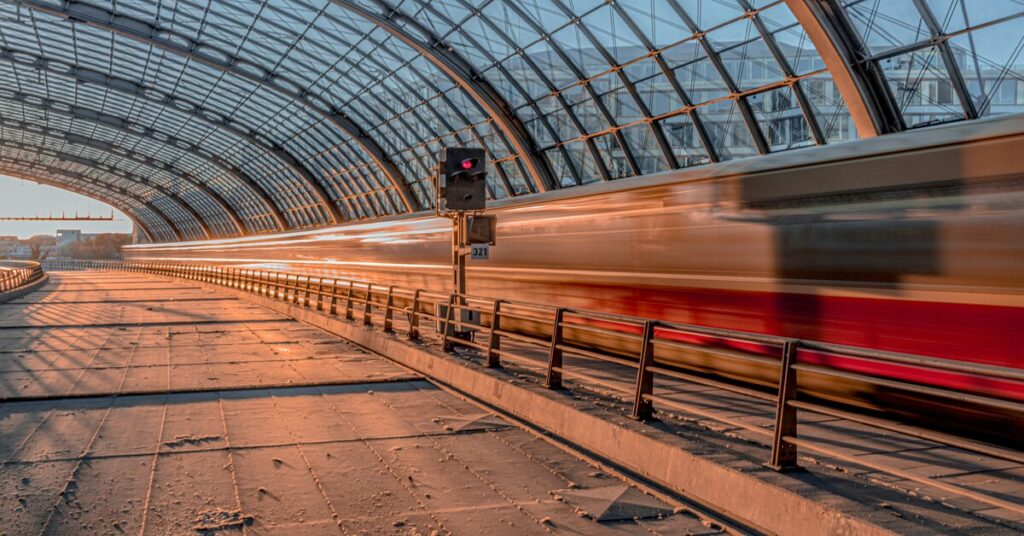
Fast Travel Meaning (Solo Traveler Edition)
Fast travel is a high-energy, high-mobility style that aims to visit more places in less time. For example:
- Visiting 3-5 cities in one week
- Taking early trains, flights, or buses
- Staying 1-2 nights per destination
- Prioritizing sightseeing, attractions, and nightlife
- Maximizing the number of experiences
Fast travel benefits USA and UK travelers with limited vacation time who want maximum excitement and variety.

Slow vs Fast Travel (Comparison Table)
Slow Travel vs Fast Travel (US Solo Travelers)
—————————————————————————————————
Category | Slow Travel | Fast Travel
—————————————————————————————————
Pace | Relaxed, immersive | Fast, energetic
Costs | Lower transport cost | Higher transport cost
Experience Type | Deep, cultural | Wide, diverse
Best For | Beginners, introverts | Adventurous travelers
Burnout Risk | Very low | Medium to high
Safety Level | Higher | Varies by destination
Budget Stability | Consistent | Fluctuates daily
——————————————————————————————————
This table alone helps users quickly understand the difference between slow travel vs fast travel, which Google rewards by increasing scroll depth and dwell time. In Slow vs Fast Travel: How to Choose Your Solo Travel Style (US Guide), comparisons like this make it easier for solo travelers to choose a pace that fits their goals.

Which Travel Style Is Better for Solo Travelers?
The truth: There is no universal winner.
The best travel style depends on your energy, budget, time, and comfort level.
The purpose of the Slow vs Fast Travel: How to Choose Your Solo Travel Style (US Guide) is to help you identify the pace that best matches how you want to experience your trip.
Travel Style Finder: A Personality Quiz for Solo Travelers
Answer each question honestly:
1. How do you feel about early mornings?
- Love waking up early → Fast travel
- Prefer slow mornings → Slow travel
2. What makes you feel fulfilled on a trip?
- Seeing many places → Fast travel
- Feeling part of one place → Slow travel
3. How do you handle stress?
- I handle pressure well → Fast travel
- I prefer calm and steady days → Slow travel
4. What type of budget do you have?
- Flexible or higher → Fast travel
- Stable or controlled → Slow travel
5. What kind of memories do you prefer?
- Variety and movement → Fast travel
- Deep emotional moments → Slow travel
A Day in the Life of a Slow Traveler (US/UK Solo Edition)
A typical slow travel day:
Morning:
- Start with a relaxed breakfast
- Wander through neighborhoods
- Chat with locals at cafés
Afternoon:
- Visit cultural spots
- Take food tours
- Spend time journaling or photographing the city
Evening:
- Attend a local event
- Enjoy sunset spots
- Cook your own meal or try a slow dinner
This style maximizes the slow travel benefits USA travelers appreciate; safety, affordability, stability, and cultural depth; making it a clear advantage in the overall Slow vs. Fast Travel comparison.
A Day in the Life of a Fast Traveler (US/UK Solo Edition)
Morning:
- Early train or flight
- Quick breakfast
- Explore multiple attractions
Afternoon:
- Visit museums, landmarks
- Try fast meals or street food
- Take rapid transport between districts
Evening:
- Join nightlife
- Socialize with travelers
- Prepare for the next destination
This style highlights the fast-travel benefits USA travelers love; excitement, movement, and rapid discovery; making it a key part of the Slow vs Fast Travel comparison for solo travelers.
Best Travel Style for Beginners (Comparison Table)
Best for Beginners (US/UK)
—————————————————————————————-
Category | Winner | Why
—————————————————————————————–
Safety | Slow Travel | Easier routines
Budget Control | Slow Travel | Fewer transfers
Experience Depth | Slow Travel | More immersion
Energy Requirement | Slow Travel | Less tiring
Variety | Fast Travel | Many cities seen
——————————————————————————————-
For beginners, slow travel typically wins; especially when searching for solo travel tips for beginners USA; making it a clear choice in the Slow vs Fast Travel comparison.
Best Travel Style for USA Cities (Comparison Table)
City Type | Travel Style That Works
—————————————————————-
Large cities (NYC, LA, Chicago) | Slow Travel
Medium cities (Austin, Denver) | Hybrid Travel
Road trips / multi-city routes | Fast Travel
—————————————————————–
Cost Comparison: Slow vs Fast Travel (USA, UK & Europe)
Category | Slow Travel Cost | Fast Travel Cost
——————————————————————————————————–
Accommodation | Cheaper weekly stays | Expensive daily bookings
Transport | Minimal | High (multiple routes)
Food | Local groceries, cafes | Fast meals, higher daily cost
Experiences | Deep cultural | Paid attractions
———————————————————————————————————
Slow travel is usually 25-45% cheaper for US/UK solo travelers.
Which Travel Style Matches Your Destination?
- Slow Travel Works Best: New York, London, Paris, Tokyo, Seoul
- Cities with rich culture and neighborhoods
- Fast Travel Works Best: Italy multi-city routes
- Spain + Portugal
- USA East Coast city-hopping
How to Build a Slow Travel Itinerary (US/UK Friendly)
- Choose one base city
- Explore local neighborhoods
- Add cultural immersion experiences
- Choose 1-2 day trips max
- Keep evenings open
- Mix rest days with exploration
How to Build a Fast Travel Itinerary without Burnout
- Use the 3, 3-1 rule for fast days
- 3 medium days
- 1 rest/reset day
- Avoid red-eye flights
- Pre-book your transport
- Keep one night free per city
- Schedule “energy reset breaks”
Hybrid Travel: The Perfect Middle Ground
Hybrid travel combines slow mornings with fast-moving afternoons. US/UK travelers love this because it offers the best of both worlds, making it a unique approach on the Slow vs Fast Travel spectrum.
- Balance
- Lower stress
- More flexibility
- Better budget control
- Reduced burnout
Mistakes Travelers Make When Choosing a Travel Pace
- Choosing speed based on social media
- Overestimating your energy
- Not matching the pace with your budget
- Changing hotels too often
- Not accounting for jet lag
Travel Tools & Apps (Pace-Based Recommendations)
Slow Travel Apps:
- Rome2Rio
- Airbnb monthly stays
- Meetup or Couchsurfing events
Fast Travel Apps:
- Skyscanner
- Omio
- TripIt
- Hostelworld
Travel Insurance for Slow vs Fast Travel
Slow travelers need long-stay coverage.
Fast travelers need multi-country emergency coverage.
Recommended for US/UK:
- WorldNomads
- SafetyWing
- AXA Travel
External Authority Links
(Add manually on your site)
FAQs
1. Is solo travel safe in the USA?
Yes. Safety depends on your destination, awareness, and travel pace. In the context of Slow vs Fast Travel, slow travel is generally safer because you stay longer in one place, while fast travel requires extra caution due to frequent moves.
2. Is solo travel expensive?
It depends on your travel style. Slow travel is usually cheaper because long stays reduce transportation and accommodation costs.
3. What is the best age to travel solo?
Any age works, but your energy, budget, and comfort level determine whether slow or fast travel fits you.
4. Which travel style is better for a 7-day trip?
Fast travel works if you want variety; slow travel works if you wish to have deeper experiences.
5. Does fast travel cause burnout?
Yes, if not planned well. In the context of Slow vs Fast Travel, fast travel can cause burnout, so using the 3 3-1 method helps maintain energy throughout your trip.
Conclusion
Choosing the right travel pace shapes your entire solo experience. Slow travel offers depth, comfort, and affordability, while fast travel delivers excitement and variety. The key is understands your personality, energy levels, and goals. This Slow vs Fast Travel: Discover Your Perfect Solo Travel Pace helps you match your travel pace with your ideal experience so you can enjoy safer, smoother, and more fulfilling solo journeys across the USA, UK, and beyond.
Pingback: Solo Travel Planning: 10 Steps to Travel with Confidence
Pingback: Solo Travel Planning Guide: 10 Steps to Travel for US/UK
Pingback: Mistakes to Avoid in Your First Solo Trip – Ultimate