
Travel Power Bank Essentials for flights and road trips. Discover 7 must-have picks to stay charged, travel lighter, and avoid battery stress today.
Running out of battery while traveling is more than a small inconvenience. A dead phone can mean losing access to maps, boarding passes, hotel bookings, ride apps, emergency contacts, and even mobile payments when you need them most. That is why choosing the right travel power bank essentials matters more than many travelers realize.
The good news is you do not need a huge collection of gadgets. A few carefully chosen essentials can keep your phone, earbuds, smartwatch, tablet, camera, and other small devices powered throughout the day without turning your bag into a charging mess.
The best setup is not about carrying more accessories. It is about having a lightweight, dependable system that keeps your phone and small devices charged during flights, road trips, train rides, airport layovers, and full sightseeing days.
In this guide, you will find seven practical essentials that can make a travel power bank more useful, easier to carry, and far more reliable when wall outlets are limited.
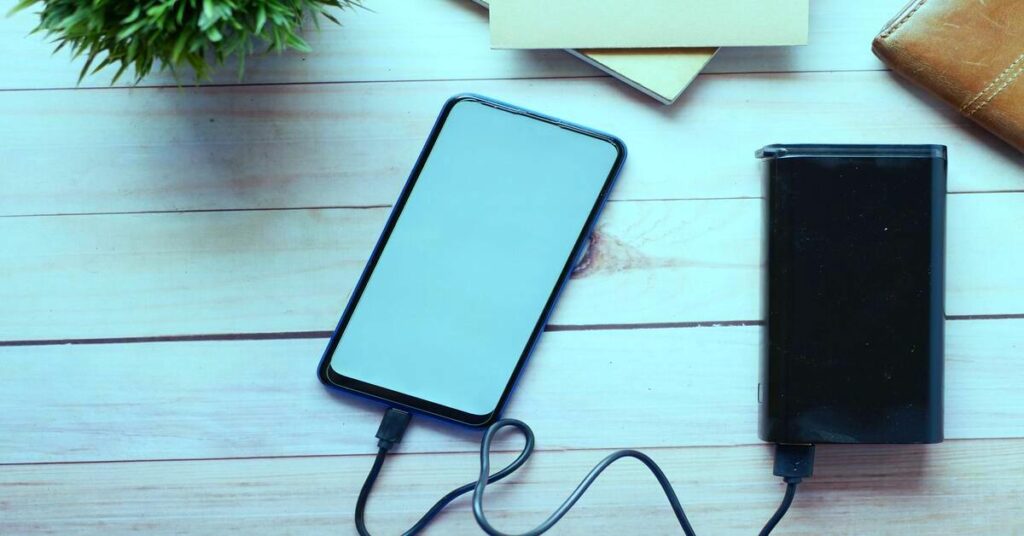
1. High-Capacity Power Bank That Matches Your Travel Style
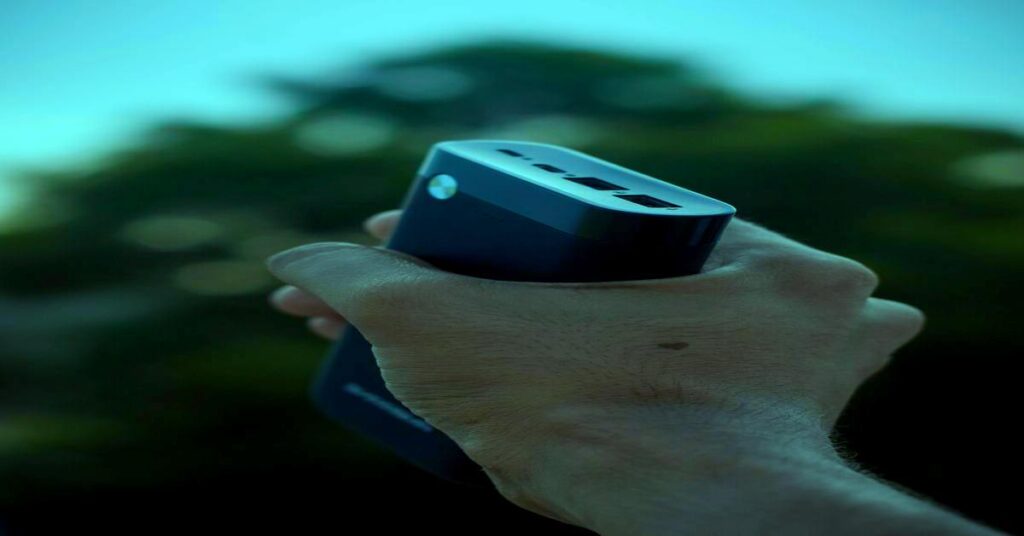
A high-capacity power bank is one of the key Travel Power Bank Essentials for any smart travel charging setup. If the battery size is too small, your power bank becomes more of a backup for emergencies than a useful everyday travel tool. The right capacity gives you the freedom to use your devices normally without constantly worrying about your battery percentage.
For many travelers, the sweet spot is something strong enough to recharge a phone multiple times while still being portable enough to carry comfortably in a backpack, carry-on, or day bag. That becomes especially useful during long flights, all-day sightseeing, airport delays, bus journeys, train rides, and road trips where access to outlets is unpredictable.
Why It Matters
Travel drains your phone faster than normal life. Maps, photos, Bluetooth, ride-share apps, mobile data, translation apps, digital tickets, and video streaming all eat through battery quickly. A weak power bank may not keep up, but a properly sized one can easily save your day.
Pros
- Provides multiple phone recharges during long travel days
- Useful for phones, earbuds, smart watches, tablets, and more
- Helps reduce low-battery stress when outlets are unavailable
- Better for delays, layovers, and long sightseeing schedules
Cons
- Higher-capacity models are usually heavier
- Bulkier battery packs can take up more bag space
- Oversized options may feel unnecessary for short local trips
Best For
Travelers taking long flights, road trips, city-hopping itineraries, train travel, or full-day sightseeing where recharging options are limited.
What to Look For
- A practical battery size for your actual travel habits
- Reasonable weight for carrying all day
- Slim design that fits easily in your travel bag
- Reliable brand reputation over flashy marketing claims
One common mistake travelers make is buying the largest power bank they can find without thinking about comfort or practicality. Bigger is not always better. If your power bank is too heavy or awkward, you may stop carrying it regularly. The smarter move is choosing one that matches how you actually travel.
A good travel power bank should feel like an everyday tool, not a bulky emergency brick you regret packing after the first day.
2. Airline-Friendly Power Bank for Hassle-Free Flights
One of the most overlooked travel power bank essentials is airline compatibility. Many people buy a power bank based only on battery size and charging speed, then realize later that not every option feels equally flight-friendly.
A travel power bank should be easy to carry in your hand luggage, simple to access during security checks, and practical to use in airport terminals or on the plane itself. If it feels awkward, oversized, or stressful to travel with, it stops being convenient.
Why It Matters
Air travel creates some of the exact situations where a power bank is most useful. Delays, long waits, layovers, boarding lines, in-flight entertainment, and airport navigation all increase battery use. But if your power bank is not easy to fly with, it becomes part of the problem instead of the solution.
Pros
- Easier to pack and carry through airports
- More practical for carry-on travel
- Better suited for gate waiting, flights, and airport transfers
- Helps avoid unnecessary travel stress
Cons
- Flight-friendly models may offer less battery than extra-large units.
- Some travelers may still prefer more power for very long trips.
- Requires more attention to how you pack your charging gear
Best For
Frequent flyers, international travelers, digital nomads, weekend travelers, and anyone who wants a simple airport-ready charging setup.
What to Look For
- A compact figure that fits comfortably in your carry-on
- Safe, travel-friendly design with basic protection features
- Easy-access layout that does not require unpacking everything
- A model that feels practical to use while seated or waiting
A power bank should make flying easier, not more complicated. A slim, dependable, airline-friendly option is usually much more valuable than a giant battery pack that feels inconvenient every time you move through an airport.
That is especially important if you travel often. Over time, convenience matters as much as battery size.
3. Fast Charging That Saves Time During Real Travel
Charging speed matters much more during travel than it does at home. At home, you can leave a device plugged in for hours without thinking about it. During travel, you often get short, unpredictable charging windows that require efficiency.
You may have twenty minutes at a café, half an hour at an airport gate, or a short break during a road trip. In those moments, a fast-charging power bank becomes significantly more useful than a slow one.
Why It Matters
A power bank that charges too slowly can waste valuable opportunities. Travel often gives you small pockets of time to recharge your battery. Fast charging helps you make the most of those moments instead of barely adding enough power to matter.
Pros
- Helps recover battery quickly during short breaks
- Better for airport waits, transit stops, and sightseeing pauses
- More useful for heavy smartphone users
- Makes your overall travel setup feel more efficient
Cons
- Fast-charging models often cost more.
- Charging speed also depends on your cable and device compatibility.
- Some low-quality products exaggerate charging claims.
Best For
Travelers who rely heavily on maps, mobile tickets, photography, messaging, translation apps, streaming, or social media while away from home.
What to Look For
- Dependable charging speed, not just marketing labels
- Compatibility with your actual phone or device
- Stable performance rather than inconsistent, quick bursts
- A setup that also recharges the power bank itself efficiently
Fast charging becomes even more important when you are traveling with a packed itinerary. If your phone is your camera, map, booking system, wallet, and communication tool, then speed is not a luxury. It is part of making your trip run smoothly.
The best travel power bank is not just portable. It also respects your time.
4. Multi-Port Convenience for More Than One Device
Most travelers do not carry just one battery-dependent device anymore. Even a simple setup often includes a phone, wireless earbuds, smart watch, e-reader, compact camera, or another accessory that needs occasional charging during the day.
That is why multi-port convenience is one of the smartest travel power bank essentials to prioritize. A power bank that supports more than one charging connection can make your setup much more flexible and practical.
Why It Matters
Battery drain rarely happens in isolation. Your phone might be low, but your earbuds may also need power before a flight, or your watch may need a quick top-up before a long sightseeing day. A multi-port setup helps you manage that without waiting around.
Pros
- Charges more than one device when needed
- More practical for tech-heavy travelers
- Useful for couples or shared travel setups
- Saves time during busy travel days
Cons
- Using multiple ports can drain the battery pack faster.
- Some models become slightly bulkier.
It may be unnecessary for ultra-minimal travelers.
Best For
Travelers carrying multiple gadgets, couples sharing one charging solution, business travelers, and anyone who depends on more than one small device throughout the day.
What to Look For
- Enough outputs for your real device setup
- Practical layout that does not feel cramped or awkward
- Balanced performance when charging more than one item
- Everyday usefulness instead of unnecessary complexity
That is one of those features that feels optional until you actually need it. Then it becomes incredibly convenient. The goal is not to carry more tech for the sake of it. The goal is to make sure the tech you already rely on stays usable.
A flexible power bank setup works better in real travel situations.
5. Durable Charging Cables That Do Not Fail Mid-Trip
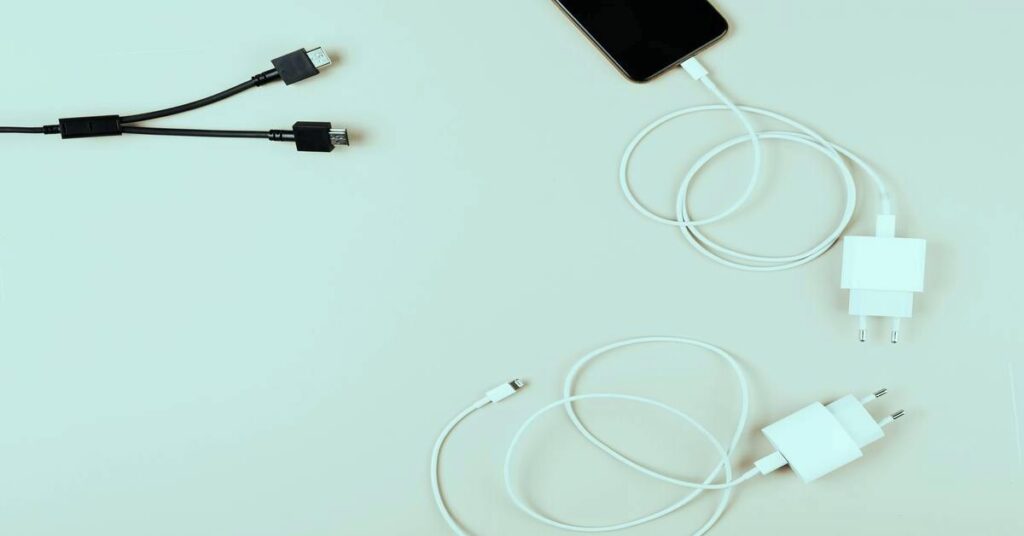
Even the best power bank becomes frustrating if the cable connecting it to your device is unreliable. That is why durable charging cables are not just accessories. They are a core part of a smart travel power bank setup.
Many travelers focus heavily on the battery pack itself and then throw in an old cable from a drawer at the last minute. That is one of the easiest ways to ruin an otherwise solid charging system.
Why It Matters
Travel is rough on cables. They get bent in backpacks, packed into pouches, pulled from airplane seats, used in hotel rooms, and stuffed into side pockets repeatedly. A weak cable often fails when you need it most.
Pros
- More dependable than worn-out spare cables
- Better suited for repeated packing and travel movement
- Helps maintain consistent charging performance
- Makes your power bank setup more reliable overall
Cons
- Good-quality cables cost more than cheap replacements.
- Carrying too many cables creates clutter.
The wrong cable length can feel inconvenient in tight spaces.
Best For
Travelers who want fewer charging problems, better reliability, and a cleaner overall power bank setup.
What to Look For
- Durable build quality that can handle repeated packing
- A practical cable length for travel use
- Compatibility with the devices you actually carry
- A design that resists tangling and everyday wear
Shorter cables often work best for power bank use because they are easier to manage in tight spaces like airport seats, trains, or cars. They also reduce cable clutter inside a day bag. At the same time, having one slightly longer cable can still be useful when outlets are awkwardly placed in hotels or waiting areas.
The best setup is not carrying the most cables. It is carrying the right ones.
6. A Compact Tech Pouch That Keeps Your Setup Organized
One of the easiest ways to make your power bank more useful is to keep it properly organized. A loose power bank bouncing around in your bag with tangled cables and random accessories quickly becomes annoying.
That is why a compact organizer or tech pouch is one of the most practical travel power bank essentials you can add to your setup. It makes your gear easier to access, easier to protect, and easier to use when you are moving quickly.
Why It Matters
Travel often creates moments where you need power fast. Maybe you are boarding a train, sitting at the gate, riding in a car, or trying to recharge while waiting in line. In those moments, a messy setup slows you down.
Pros
- Keeps cables and accessories in one place
- Makes charging gear faster to find and use
- Reduces tangles and unnecessary bag clutter
- Helps protect your accessories during travel
Cons
- Adds one more item to pack
- Some organizers are bulkier than necessary.
- Minimalist travelers may prefer a simpler, loose setup.
Best For
Carry-on travelers, organized packers, airport commuters, and anyone who wants a cleaner and more efficient travel charging system.
What to Look For
- A compact size that fits your bag without wasting space
- Enough room for your power bank and key accessories
- Easy access instead of deep, cluttered compartments
- Lightweight drawing that does not add unnecessary bulk
A tech pouch does not need to be large or overbuilt. In fact, the best ones are usually simple and compact. The goal is to create one dedicated charging zone in your bag so that everything you need is always in the same place.
That small improvement can make your entire travel setup feel more polished and easier to use.
7. Smart Everyday Features That Make Travel Easier
The final essential is not about buying more gear. It is about choosing a power bank with features that genuinely improve daily travel use-this is what defines smart Travel Power Bank Essentials rather than just flashy product descriptions.
A good travel power bank should be easy to understand, easy to carry, and easy to use in real situations. Small design details often matter more during travel than they do at home.
Why It Matters
When you are navigating airports, waiting in transit, walking around a city, or dealing with travel fatigue, convenience becomes incredibly valuable. The easier your power bank is to use, the more useful it becomes.
Pros
- Improves convenience during real travel situations
- Helps reduce battery uncertainty and guesswork
- Makes the charging experience feel smoother
- Often adds everyday usability without major extra effort.
Cons
- Some “smart” features are just marketing fluff.
- Extra convenience features can increase the price.
- Not every feature matters to every traveler.
Best For
Travelers who want a smoother, more user-friendly charging experience and prefer gear that feels simple rather than frustrating.
What to Look For
- Clear battery indicators
- Comfortable size and easy grip
- Simple controls and practical usability
- Features that actually help during everyday travel
The key is not chasing the longest feature list. It is choosing the features that improve your experience. A slim shape, clear battery display, dependable usability, and practical travel design often matter more than flashy extras you will never use.
Smart travel gear should remove friction, not add to it.
Final Thoughts
The best travel charging setup is not about carrying more. It is about carrying the right essentials. A dependable power bank, fast charging, airline-friendly design, multiple charging options, durable cables, organized storage, and practical everyday features can make a major difference during real trips.
These travel power bank essentials help turn charging from a travel frustration into something simple, reliable, and easy to manage. Whether you are flying, road-tripping, commuting, sightseeing, or spending long hours away from outlets, the right setup keeps your most important devices ready when you need them.
If you want fewer battery problems, less travel stress, and a more dependable everyday travel system, this is one upgrade that is absolutely worth getting right.
FAQs
1. What range power bank is best for travel?
A medium to high-capacity power bank is a crucial part of Travel Power Bank Essentials for travel because it gives enough battery backup for phones, earbuds, and other small devices without becoming too bulky to carry.
2. Could you take a power bank on a plane?
Yes, power banks are usually allowed during air travel when packed correctly. They are generally more suitable for carry-on use than checked baggage, which is why flight-friendly design matters.
3. Is a fast-charging power bank worth it for travel?
Yes, fast charging is very useful during travel because it helps you recover battery quickly during short airport waits, road trip stops, and sightseeing breaks.
4. Are multi-port power banks better for travel?
Multi-port power banks are often better for travelers carrying more than one device because they make it easier to charge phones, earbuds, watches, or other small electronics more efficiently.
5. What should I pack with a travel power bank?
The most useful items to pack with a travel power bank are durable charging cables, a compact tech pouch, and a setup that matches your device needs, and travel style-these are key components of any smart Travel Power Bank Essentials kit.